
Volcanoes National Park, Rwanda – A Complete Travel Guide
Volcanoes National Park is widely regarded as one of Africa’s most extraordinary wildlife destinations, drawing visitors from across the globe for one reason above all others: mountain gorillas. As one of only four protected areas in the world where these magnificent primates survive in the wild, the park holds a place of unrivalled importance in global conservation. The other three parks sharing this distinction are Virunga National Park in the Democratic Republic of Congo, and Bwindi Impenetrable National Park and Mgahinga Gorilla National Park, both in Uganda.
Locally and officially known as Parc National des Volcans, the park sits in the Virunga Conservation Area (VCA) in the Ruhengeri district of northwest Rwanda. It lies approximately two to three hours by road from the capital, Kigali, making it surprisingly accessible for such a remote wilderness. Established in 1925, it is one of Africa’s oldest national parks, covering an area of around 160 square kilometres and sharing borders with Uganda’s Mgahinga Gorilla National Park to the north and Congo’s Virunga National Park to the west. Together, these three parks form the greater Virunga Conservation Area — a vital transboundary refuge for one of the planet’s most endangered great apes.
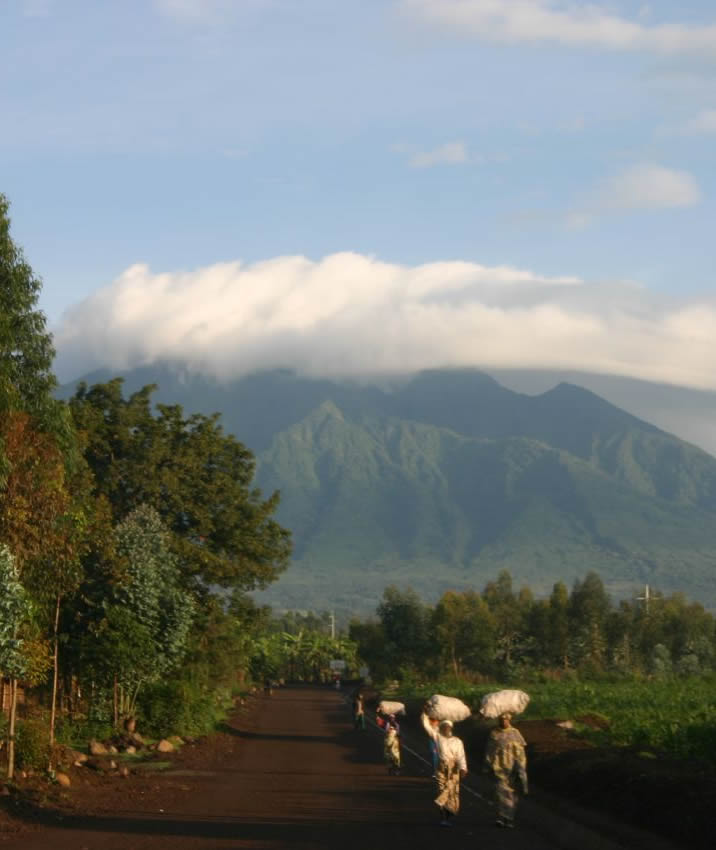
Five of the eight Virunga Massif volcanoes lie within the park’s boundaries: Mount Muhabura, Gahinga, Mount Karisimbi, Bisoke, and Sabyinyo. These dramatic peaks, draped in mist and montane forest, define the park’s striking landscape and offer some of the most rewarding hiking in East Africa. The park is also historically significant as the base from which renowned primatologist Dian Fossey conducted her 18 years of groundbreaking gorilla research, bringing global attention to the Virunga gorillas and laying the foundation for the conservation efforts that protect them today.
Wildlife
While mountain gorillas are the headline attraction, Volcanoes National Park supports a diverse array of wildlife across its montane forests, bamboo zones, and open grasslands. Mammals such as spotted hyenas, elephants, buffaloes, bush bucks, black-fronted duikers, and vervet monkeys inhabit the park alongside the iconic golden monkeys — another endemic primate found only in the Virunga highlands. The black-and-white colobus monkey is also a frequent sight, leaping through the forest canopy with acrobatic ease.
Birdlife
With over 200 recorded bird species, the park is a compelling destination for birdwatchers, particularly those seeking Albertine Rift endemics. This category alone includes some of Africa’s most sought-after species. Among the birds to look out for are the dusky crimson wing, handsome francolin, Rwenzori turaco, red-faced woodland warbler, Grauer’s rush warbler, Rwenzori apalis, and Archer’s ground robin. Other notable species include the lagden’s bush shrike, Rwenzori nightjar, dusky turtle dove, scarlet-tufted malachite sunbird, collared apalis, Baglafecht weaver, blue-spotted wood dove, and the strikingly large bateleur eagle. The wet season, from March to May and October to November, brings migratory species that further enrich the birdwatching experience.
Activities in Volcanoes National Park
Gorilla Trekking
Gorilla trekking is, without question, the defining experience of any visit to Volcanoes National Park. It involves venturing into the park’s dense forest in the company of a small group of visitors, guided by expert trackers, to spend a precious hour observing a habituated gorilla family in their natural habitat. The park is home to approximately 13 habituated gorilla groups, each of which can be visited by a maximum of eight tourists per day — a deliberate policy designed to minimise human impact and protect the gorillas’ wellbeing.
Treks begin early in the morning with a briefing at the Kinigi headquarters, usually at around 7:30am, before groups head off to their assigned families. The actual trek into the forest starts at 8:00am. Depending on the gorillas’ movements and the terrain, trekking can take anywhere between two and six hours, taking you through bamboo forest, steep volcanic slopes, and thick undergrowth. The physical challenge is more than worthwhile — the moment you come face to face with a silverback in the wild stays with you for life.
A gorilla trekking permit is mandatory and costs USD 1,500 per person. Given the high demand and limited daily places, permits are best secured well in advance through Rwanda Development Board or via a reputable tour operator who can handle the booking process on your behalf.
Golden Monkey Tracking
For travellers seeking a second primate encounter, golden monkey tracking is an excellent complement to gorilla trekking. These vivid, copper-and-black primates are found only in the Virunga highlands and are every bit as captivating as their larger cousins. The park has two habituated golden monkey troops, and treks to find them also depart from the Kinigi headquarters. Golden monkey permits are priced at USD 100 per person, making this one of the more affordable wildlife experiences in Rwanda.
Volcano Hiking
Volcanoes National Park offers some of the most dramatic hiking terrain in East Africa, with five climbable volcanoes to choose from. Each presents a different level of challenge and reward. Mount Karisimbi, at 4,507 metres the highest of the five, is a two-day climb rewarded with sweeping panoramic views across the Virunga landscape. Mount Bisoke offers a single-day hike to a stunning crater lake at its summit, while Gahinga is a shorter, more accessible climb through bamboo forest and open moorland. Sabyinyo and Muhabura each present their own challenges, with Sabyinyo’s jagged peak and Muhabura’s steep, rewarding ascent making them favourites among seasoned hikers. Guides are required for all volcano hikes and can be arranged through the park or your tour operator.
Dian Fossey Tomb Hike
A pilgrimage to the grave of Dian Fossey is both a moving tribute to one of conservation’s greatest figures and an excellent way to explore the park’s forest interior. The hike follows the trail to Fossey’s former research station at Karisoke, passing through beautiful montane forest where you may encounter birds and primates along the way. The round trip takes approximately two to three hours and costs around USD 100 per person. For anyone who has read Gorillas in the Mist or felt inspired by Fossey’s extraordinary life and work, this is an unmissable experience.
Birding
The park’s extraordinary avifauna makes it a serious birding destination in its own right. Guided birding walks can be arranged through the park, with routes tailored to target specific species or habitats. The bamboo zone is productive for warblers and apalis species, while the higher elevation moorlands offer opportunities to spot the iconic Rwenzori turaco and the scarlet-tufted malachite sunbird. Early morning is the best time for birding, when activity is at its peak.
Musanze Caves Tour
Just a short distance from the park entrance, the Musanze Caves are a fascinating geological attraction formed by volcanic activity over 65 million years ago. The caves stretch for approximately two kilometres and were opened to visitors in 2013. A guided walk through the caves provides an insight into the region’s volcanic history and is a worthwhile add-on to any visit to the area.
Cultural Encounters
Rwanda’s cultural heritage is as rich as its natural environment, and a visit to the Iby’Iwacu Cultural Village — also known as the Gorilla Guardians Village — offers a memorable window into local Rwandese traditions. Here you can enjoy traditional music and dance performances, learn about local craftsmanship, and hear the stories of former poachers who have been transformed into conservation ambassadors and cultural guides. The village makes for a meaningful and enjoyable addition to any gorilla trekking itinerary.
Twin Lakes — Lake Burera and Lake Ruhondo
Located just a short drive from the park, the Twin Lakes of Burera and Ruhondo are among the most scenic spots in northern Rwanda. A boat ride on either lake offers beautiful views of the surrounding hills and volcanoes, as well as excellent birdwatching opportunities along the shoreline. The peaceful atmosphere and stunning scenery make the lakes a perfect place to unwind after the exhilaration of a gorilla trek.
Getting There
The most common way to reach Volcanoes National Park is by road from Kigali. The drive takes approximately two to three hours along a well-maintained route, and a 4×4 vehicle is recommended for comfort and reliability, particularly in the wet season. Alternatively, travellers coming from Uganda can reach the park from Kabale or Kisoro via the Katuna or Chanika border crossings, a journey of around four hours. Most visitors arrange transport through their tour operator, who can provide a vehicle and driver for the duration of the trip.
Safaris to Volcanoes National Park
- 1 Day Rwanda Gorilla Safari
- 2 Days Gorillas and Golden Monkeys
- 3 Days Gorilla Trek and Bisoke hike
- 4 Days Double Gorilla trek & Bisoke
- 4 Days Gorillas and Lake Kivu Safari
- 5 Gorillas and Nyungwe Chimps
- 7 Days Gorillas and Akagera safaris
- 10 Days Grand Rwanda Safari holiday
Best Time to Visit
Volcanoes National Park is a year-round destination, and gorilla trekking is possible in every month. That said, the dry seasons are generally considered the best time to visit, particularly for gorillas and golden monkey trekking, as the trails are less muddy and navigation through the forest is somewhat easier. The long dry season runs from June to September and is the most popular period for visitors. The short dry season, from December to February, is another excellent window. For birdwatching, the wet seasons — March to May and October to November — are the most productive, as migratory species are present and forest activity is at its most vibrant.
Where to Stay
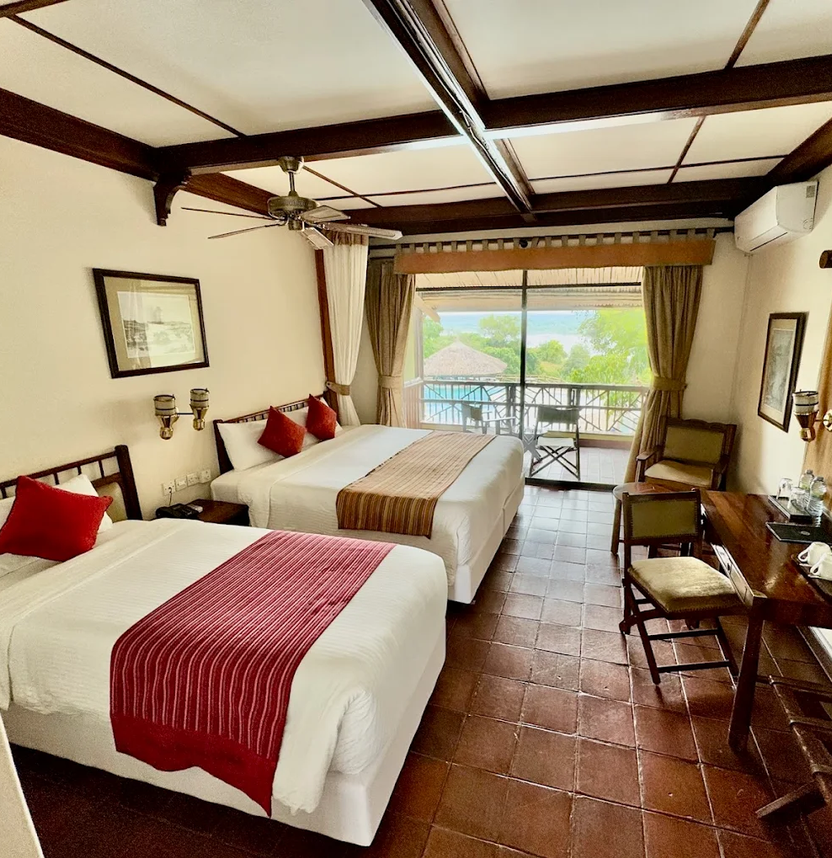
The area around Volcanoes National Park offers a wide range of accommodation to suit every budget and style of travel. At the luxury end of the spectrum, properties such as Bisate Lodge, Sabyinyo Silverback Lodge, Virunga Lodge, and One&Only Gorilla’s Nest offer world-class facilities and immersive wilderness experiences. Mid-range options include the Mountain Gorilla View Lodge, Da Vinci Gorilla Lodge, Le Bambou Gorilla Lodge, Kwitonda Lodge, and Gorilla Volcanoes Lodge. Budget travellers will find comfortable and welcoming accommodation at Kinigi Guesthouse, among others.