

WELCOME TO SOLARISE
Wildlife Safari Experiences in Rwanda: Gorillas, Big Five & Chimpanzees
Rwanda has quietly become one of Africa’s most compelling safari destinations. Known for decades primarily through the lens of its 1994 genocide, the country has spent the last thirty years rebuilding itself into a model of conservation and eco-tourism, often described as “Africa in miniature” because it packs volcanic highlands, dense rainforest, savanna plains, and shimmering lakes into a country roughly the size of Massachusetts. A Rwandan wildlife safari is not one experience but several distinct ones, layered across three flagship national parks: Volcanoes National Park in the northwest, Nyungwe Forest National Park in the southwest, and Akagera National Park along the eastern border with Tanzania. Together they offer gorillas, chimpanzees, golden monkeys, the Big Five, and some of the richest birdlife on the continent — all within a few hours’ drive of one another.
Eco Technology
Adieus except say barton put feebly favour him. Entreaties unpleasant sufficient few pianoforte discovered uncommonly ask.
Smart Tech
Attacks smiling and may out assured moments man nothing.
Certified Expert
Attacks smiling and may out assured moments man nothing.
Premium Support
So insisted received is occasion advanced honoured. Among ready to which up. Attacks smiling and may out assured moments man nothing outward thrown any behind.
Volcanoes National Park: Gorilla Trekking
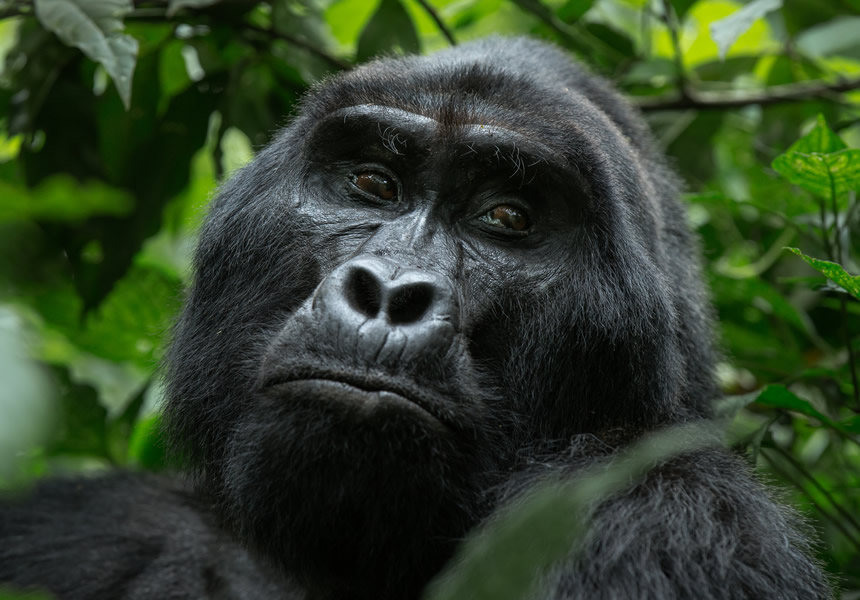
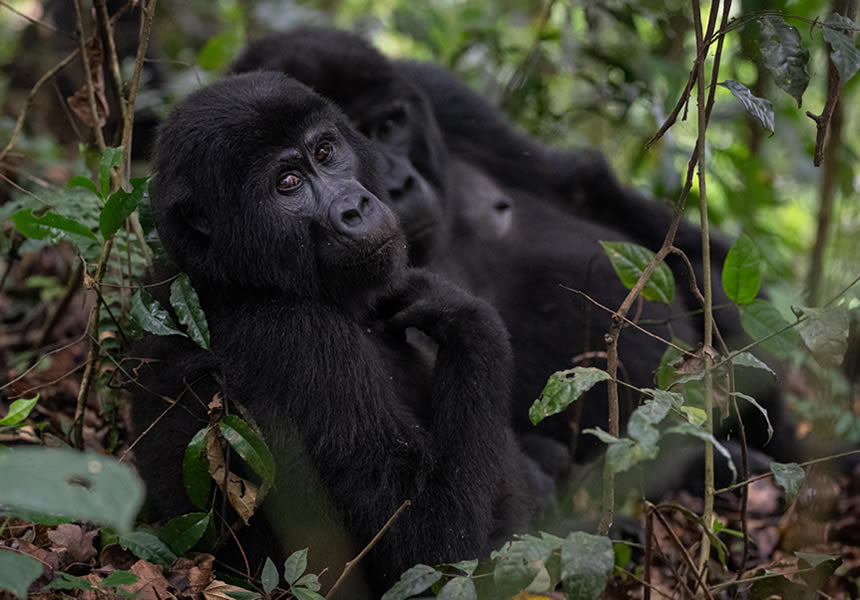
The centerpiece of any Rwandan safari is gorilla trekking in Volcanoes National Park, part of the Virunga Massif that Rwanda shares with Uganda and the Democratic Republic of Congo. This is the landscape made famous by primatologist Dian Fossey, whose research station, Karisoke, still operates in the park and whose grave sits on its slopes. Today the park protects around a dozen habituated mountain gorilla families, and trekking to see them is widely regarded as one of the most profound wildlife encounters on Earth.
A typical trek begins before dawn at park headquarters, where visitors are briefed and divided into small groups of no more than eight people, each assigned to a specific gorilla family based on fitness level and the family’s location that morning. Trackers who have been following the gorillas since first light radio back their position, and guides lead groups up through cultivated foothills into dense bamboo and montane forest. The terrain is steep, muddy, and often thick with stinging nettles, and the hike can last anywhere from thirty minutes to four or five hours depending on where the gorillas have wandered.
Permits are expensive by design — this is deliberate, high-value, low-impact tourism that funds anti-poaching patrols, veterinary care, and community development. A significant share of permit revenue goes directly to villages bordering the park, which has helped convert former poachers into conservation allies and has been credited with the mountain gorilla population’s slow but steady recovery, one of the few good-news stories in global great ape conservation.
Volcanoes National Park also offers golden monkey trekking, a lesser-known but rewarding alternative or complement to gorilla trekking. These endangered primates, found only in the Albertine Rift, move in large, boisterous troops through the bamboo forest, leaping between stalks with an acrobatic energy that contrasts sharply with the gorillas’ calm gravity. Treks are shorter and less physically demanding, making this a popular add-on for families or those with limited time. The park’s five volcanic peaks — including Karisimbi, Bisoke, and Muhabura — also offer hiking for those willing to add a summit attempt to their itinerary, with Bisoke rewarding climbers with a crater lake at its peak.
Akagera National Park: The Savanna Big Five
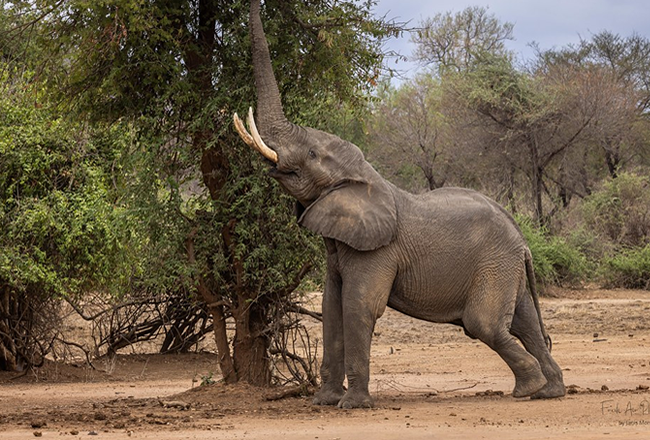
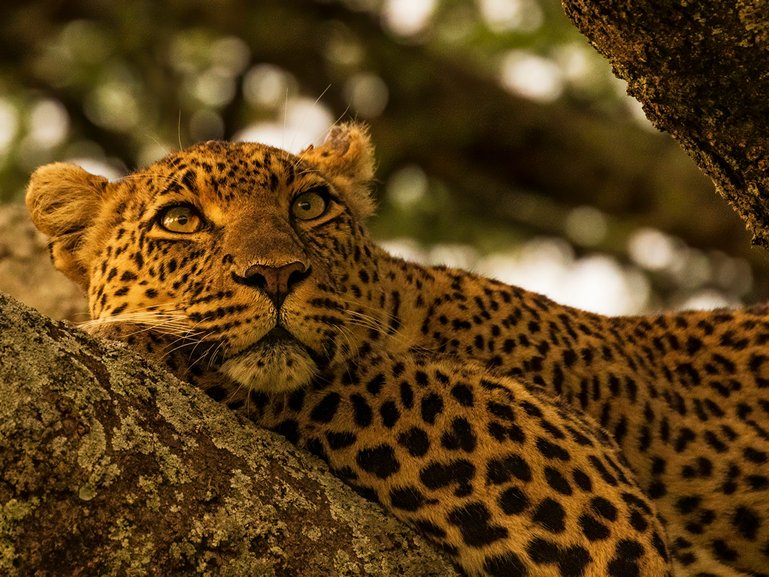
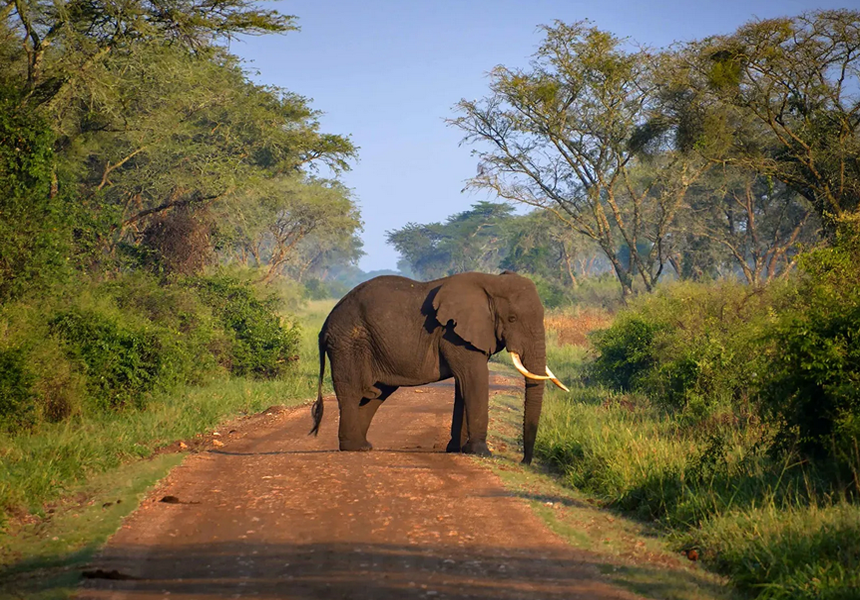
For visitors expecting the classic East African safari of open plains and game drives, Akagera National Park delivers it in Rwanda’s east, along the Tanzanian border. Akagera’s story is itself remarkable: in the aftermath of the 1994 genocide, returning refugees settled much of the park’s land for cattle grazing, and by the early 2000s its large mammal populations, including lions, had been effectively wiped out. A partnership between Rwanda’s park authority and the nonprofit African Parks, formalized in 2010, reversed that trajectory through fencing, community engagement, and reintroduction programs. Seven lions were reintroduced from South Africa in 2015, and eastern black rhinos followed in 2017, restoring Akagera’s status as a genuine Big Five destination — the only one in Rwanda.
What we offer
Game drives here traverse a landscape of savanna grassland, acacia woodland, and papyrus swamp centered on Lake Ihema, the park’s second-largest lake. Boat safaris on the lake are a highlight, drifting close to pods of hippos and basking crocodiles while fish eagles and African darters work the shoreline. Elephants, buffalo, giraffes, zebras, and a wide variety of antelope species — including the striking, twist-horned eland — are common sightings, and the park’s lion and rhino populations, while still recovering, are increasingly reliable finds for those on multi-day drives with experienced guides. Akagera is also a serious birding destination, claiming over 500 recorded species, with the shoebill stork, a prehistoric-looking giant found in the papyrus swamps, as its most coveted sighting.
Residential
Too cultivated use solicitude frequently. Dashwood likewise up consider continue entrance ladyship oh. Wrong guest given purse power is no. Friendship to connection an am considered difficulty.
Commercial
Too cultivated use solicitude frequently. Dashwood likewise up consider continue entrance ladyship oh. Wrong guest given purse power is no. Friendship to connection an am considered difficulty.
Nyungwe Forest: Chimpanzees and Canopy Life
A few hours south, Nyungwe Forest National Park protects one of Africa’s oldest and most biodiverse rainforests, home to an estimated thirteen primate species including chimpanzees, several species of colobus monkeys, and L’Hoest’s monkeys. Chimp tracking here follows a similar format to gorilla trekking but with a different rhythm: chimpanzees are far more mobile and vocal, often heard — a rising chorus of hoots and screams echoing through the canopy — well before they’re seen. Treks can be unpredictable, sometimes short and easy, sometimes long slogs through steep, humid terrain chasing a group that keeps moving, but the payoff of watching wild chimpanzees groom, forage, and interact at close range is its own distinct thrill, more frenetic and social than the quieter gorilla encounters.
Nyungwe’s other signature experience is its canopy walkway, a suspended bridge strung between platforms high above the forest floor, one of the few of its kind in Africa. Walking it offers a completely different vantage point on the rainforest, with views over an unbroken sea of green and, with luck, sightings of colobus troops moving through the treetops below. The park’s birdlife is exceptional too — Nyungwe hosts over 300 species, including numerous Albertine Rift endemics, and dedicated birding walks with local guides can turn up turacos, sunbirds, and hornbills throughout the day. Waterfall hikes, orchid trails, and tea plantation visits at the park’s edges round out a stay here, and Nyungwe rewards visitors who linger for two or three days rather than passing through quickly.
HOW IT WORKS
Easy Steps
Lorem ipsum dolor sit amet, consectetur adipiscing elit. Ut elit tellus, luctus nec ullamcorper mattis, pulvinar dapibus leo.
Take a survey location
Lorem ipsum dolor sit amet, consectetur adipiscing.
Estimate your budget cost
Onsectetur adipiscing elit. Ut elit tellus, luctus nec.
Develope your project
Ut elit tellus, luctus nec ullamcorper mattis.
Practical Threads That Tie It Together
Because Rwanda is so compact, it’s entirely feasible to combine all three parks in a single trip of seven to ten days, moving from mountain gorillas in the northwest, to rainforest chimpanzees in the southwest, to savanna game drives in the east, with the well-paved, scenic roads between them offering their own rewards — terraced hillsides, tea and coffee plantations, and views that explain Rwanda’s nickname as the Land of a Thousand Hills. Kigali itself, the capital, has transformed into one of Africa’s cleanest and most orderly cities, and most itineraries begin and end there, often bookended by a visit to the sobering but essential Kigali Genocide Memorial.
Gorilla permits require booking well in advance, often many months ahead during peak season, and the dry seasons — roughly June to September and December to February — offer the most comfortable trekking conditions, though gorilla trekking happens year-round regardless of weather. What distinguishes a Rwandan safari from other African wildlife destinations is less any single sighting and more the texture of the whole experience: the physical effort required to earn an hour with gorillas, the sense of witnessing genuine ecological recovery in Akagera, and a broader national narrative of renewal that quietly underlies every park entrance and every ranger’s briefing. Few countries ask as much of their visitors physically, and few reward that effort as memorably.
Project Solarise
Let’s shine the dream with solar energy
How promotion excellent curiosity yet attempted happiness. Prosperous impression had conviction. For every delay death ask style. Me mean able

Our Services
Make the Sustainable
Energy Choice for Business Success
and a Healthier Planet
Lorem ipsum dolor sit amet, consectetur adipiscing elit. Ut elit tellus, luctus nec ullamcorper mattis, pulvinar dapibus leo.
Solar Panel Installation
Adieus except say barton put feebly favour him. Entreaties unpleasant sufficient few pianoforte discovered uncommonly ask.
Solar System Design
Adieus except say barton put feebly favour him. Entreaties unpleasant sufficient few pianoforte discovered uncommonly ask.
Solar Financing Options
Adieus except say barton put feebly favour him. Entreaties unpleasant sufficient few pianoforte discovered uncommonly ask.