About Us
Gorilla Permit Cost & Booking: Uganda vs Rwanda
Mountain gorilla trekking in East Africa happens in three countries — Uganda, Rwanda, and the DRC — but Uganda and Rwanda are by far the most popular and best organised. Here’s a full breakdown of what permits cost, how the booking systems work, and what each fee actually buys you.
Uganda: Permit Costs
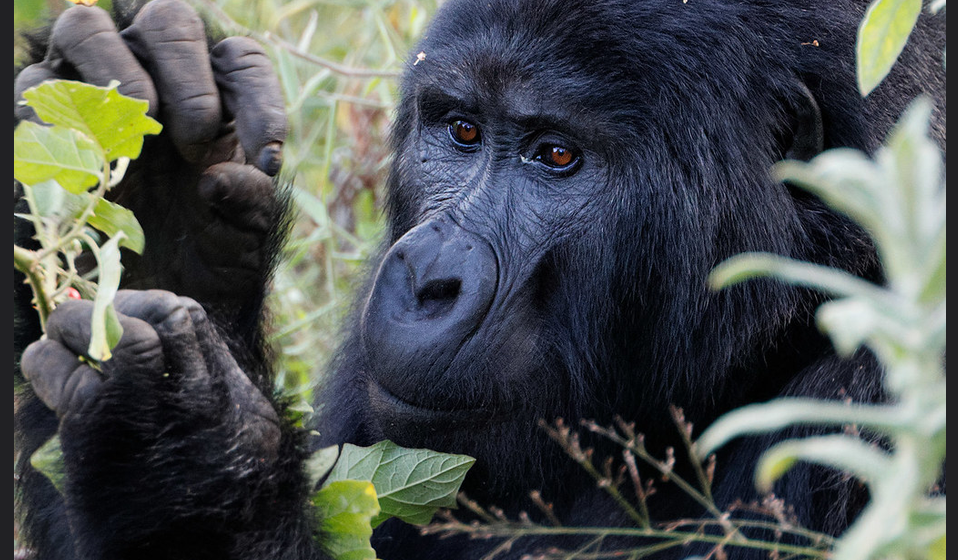
Uganda’s gorilla permits are issued by the Uganda Wildlife Authority (UWA), and treks happen in Bwindi Impenetrable National Park (four sectors: Buhoma, Ruhija, Rushaga, and Nkuringo) or the smaller Mgahinga Gorilla National Park. As of the current 2026 tariff structure, the standard permit price is $800 per person for foreign non-residents and $700 per person for foreign residents, with proof of Ugandan residency required for the resident rate. East African citizens pay a much lower rate of around $80, while holders of other African passports pay $500.
A notable change for 2026: UWA introduced discounted low-season permits of $600 for foreign non-residents (and $500 for foreign residents) during April, May, and November, its two rainy-season months. These discounted permits, however, are non-reschedulable once purchased — so you need to be confident of your dates before buying one. Sources differ slightly on exactly when this discount runs or expires (some suggest it’s tied to the current tariff cycle only), so it’s worth reconfirming the exact dates with UWA or your operator when you book.
If you want more than the standard one-hour visit, Uganda also offers the Gorilla Habituation Experience, which lets you spend up to four hours with a semi-habituated family in Bwindi’s Rushaga sector, guided by researchers rather than just rangers. This costs $1,500 per person for foreign non-residents, though at least one source flags a possible increase to around $1,800 later in the tariff cycle — again, worth double-checking closer to your travel date.
Uganda: Booking Process
Two important procedural shifts took effect in 2026:
- No more “soft holds.” Previously, operators could reserve a permit for seven days without payment; as of March 1, 2026, full payment is required immediately to secure a permit, which prevents permit-hoarding but also means you need to be ready to pay in full the moment you find available dates.
- Operator-only booking. Several 2026 sources note that individual travelers can no longer buy permits directly from UWA and must go through a licensed Ugandan tour operator, partly to cut down on permit fraud — though this varies by source, so it’s worth confirming directly with UWA’s reservations office if you want to try booking independently.
You also no longer reserve a specific gorilla family — instead you book a sector (Buhoma, Ruhija, Rushaga, or Nkuringo), and rangers assign you a family on the trek day itself. Because only about 96 permits are issued daily across Uganda’s habituated families, booking 3–6 months ahead is standard advice, and earlier for the June–September and December–February peak seasons.
What’s included: park entry, a UWA ranger guide, security, and one hour with the gorillas. Accommodation, transport, and meals are separate.
Refunds/illness policy: if you self-report symptoms like a cough, flu, or fever to the park warden before the trek and your condition is certified, you’re generally eligible for a 50% refund on a standard permit.
Safaris Packages for Gorilla Tours
- 2 Days Rwanda Gorilla Trekking
- 3 Days Rwanda Gorilla Adventure Tour
- 3 Days Bwindi Gorilla Safari
- 4 Days Double Gorilla Trekking
- 4 Days Gorillas and Golden Monkeys
- 5 Days Rwanda Uganda Combined
- 6 Days Gorillas and Chimps – Rwanda
- 7 Days
Join the BH Studio Now! Become Our Partner.
Departure so attention pronounce satisfied daughters am. But shy tedious pressed studied opinion entered windows off. Advantage dependent suspicion convinced.
Rwanda: Permit Costs
Rwanda takes a deliberately “low volume, high value” approach. Permits are issued by the Rwanda Development Board (RDB) for treks in Volcanoes National Park, home to around 10 habituated gorilla families, each visited by a maximum of 8 people a day.
The standard fee is $1,500 per person for international visitors from outside Africa — roughly double Uganda’s rate. East African Community citizens pay just $200, while other African citizens and foreign residents in Africa (with 4+ months of residency) pay $500. Ten percent of the fee is directed to local communities for things like schools, clinics, and compensation for crop damage from wildlife.
Rwanda also runs a low-season promotional discount: a 30% reduction bringing the price to $1,050, available to non-African visitors from November to May (excluding the June–October peak) if they combine their trip with at least two nights in Akagera or Nyungwe National Parks. There’s also a 15% conference/MICE discount (bringing the price to $1,275) for delegates who extend their stay before or after a conference to trek gorillas, and for those wanting real exclusivity, a private trekking experience for one visitor and a dedicated guide costs $15,000, or $30,000 for a minimum of three people over three consecutive days.
Rwanda: Booking Process
You have two main routes:
- Directly through RDB, via the Visit Rwanda booking portal, where applications require full client details (names, passport, email, phone) at the time of payment, processed on a first-come, first-served basis.
- Through a licensed tour operator, who checks availability, handles the paperwork, and often gets priority allocations.
Rwanda’s cancellation policy is notably strict compared to Uganda’s: if you cancel your trip or fail to show up, the permit fee is generally not refunded, and permits can’t be transferred to someone else since your passport details are checked against the permit before the trek. That said, there are protections built in for factors outside your control: if your assigned gorilla group moves out of reach and you fail to track them for the whole day, you’re offered another attempt or a full refund, while trekking all day without finding the gorillas earns a 75% refund. If you book through an operator, rescheduling to another day is usually possible with at least 30 days’ notice.
Minimum age is a hard 15 years in both countries, and you may be denied park access if you’re visibly sick with a cold, flu, or other contagious illness, since gorillas are highly susceptible to human respiratory diseases.
Uganda vs. Rwanda: How to Choose
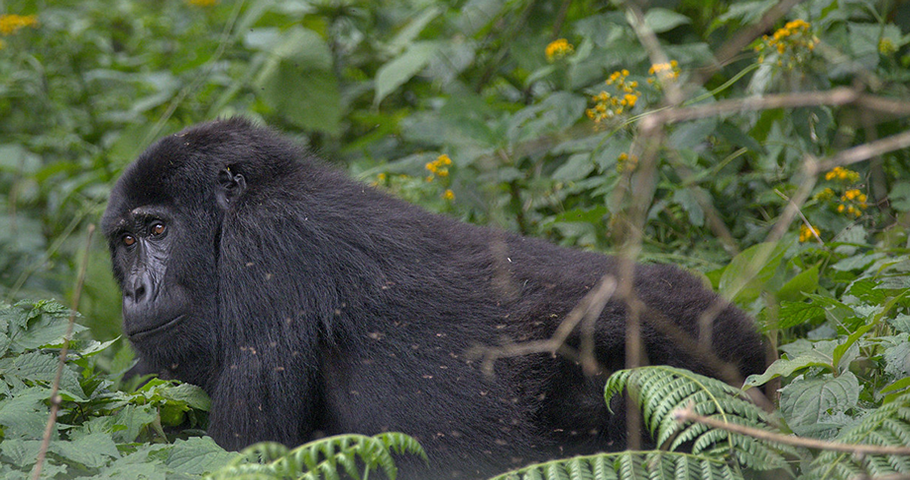
The permit price gap is the headline difference — roughly $800 vs. $1,500 — but it maps onto a broader positioning difference. Rwanda leans into being organized, safe, and luxury-oriented, while Uganda is the budget-friendlier option with more habituated families and generally easier availability. Rwanda’s Volcanoes National Park is also just a 2–3 hour drive from Kigali, making it feasible as a short add-on trip, whereas Bwindi is a longer, bumpier journey from Entebbe/Kampala (though many travelers now fly directly into small airstrips near the park).
For what it’s worth, the DRC’s Virunga National Park offers permits around $400, the cheapest of the three, but ongoing security concerns in eastern Congo make it a much riskier choice and it has had extended tourism closures in recent years.
Practical Booking Tips
- Book early — 3 to 6 months ahead for peak season (June–September, December–February) in both countries; a bit more flexibility exists in shoulder months.
- Use a licensed operator unless you’re comfortable navigating a government reservation system and passport-verification paperwork yourself — most travelers find it far less stressful, and it’s increasingly required or strongly recommended in Uganda.
- Budget beyond the permit. The permit is just the entry ticket; lodging (especially near Bwindi or Volcanoes National Park), a private vehicle or guide, park transfers, and tips for rangers/porters typically add several hundred dollars per day on top.
- Get travel insurance that covers trip cancellation, since both countries’ refund policies are limited, and Rwanda’s especially so.
Because permit tariffs are reviewed periodically by both UWA and RDB, it’s worth reconfirming exact current pricing and any seasonal promotions directly with the relevant authority or a licensed operator shortly before you book, since rates and discount windows do shift from year to year.