
Adventure Gorilla Trekking
Virunga National Park
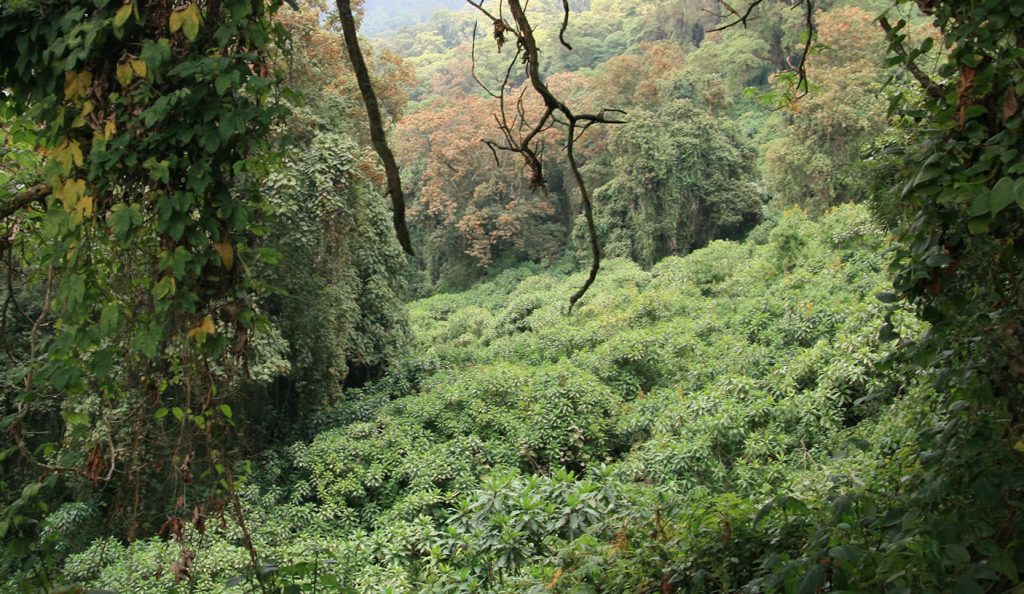
Virunga National Park is located in the Albertine Rift Valley in the Eastern part of the Democratic Republic of Congo. Virunga Park is Africa’s most biodiverse protected area that protects 1/3 of the wild mountain gorillas. The park hostd over one thousand species of mammals, birds, reptiles and amphibians. Established as Africa’s first national park in 1925, Virunga spans approximately 7,900 square kilometers of pristine wilderness, encompassing volcanic mountains, lush forests, savannas, and aquatic ecosystems. The park stands as one of the most ecologically important conservation areas on the continent, yet it remains one of the most challenging environments in which to conduct wildlife protection due to ongoing regional instability.
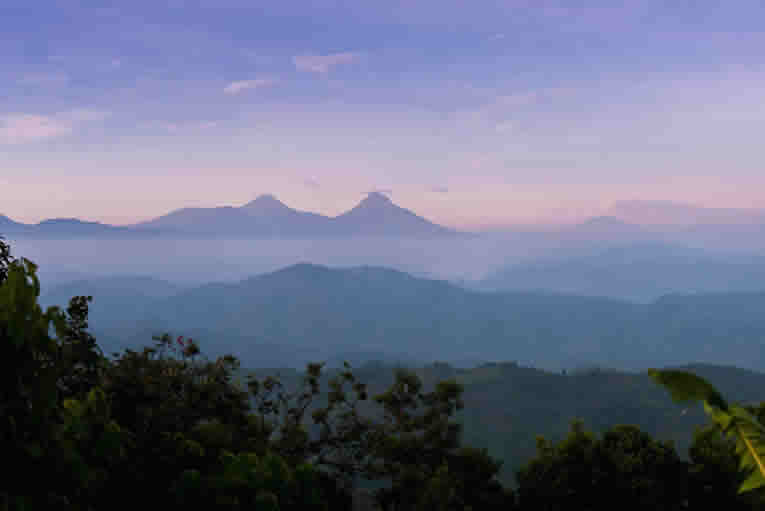
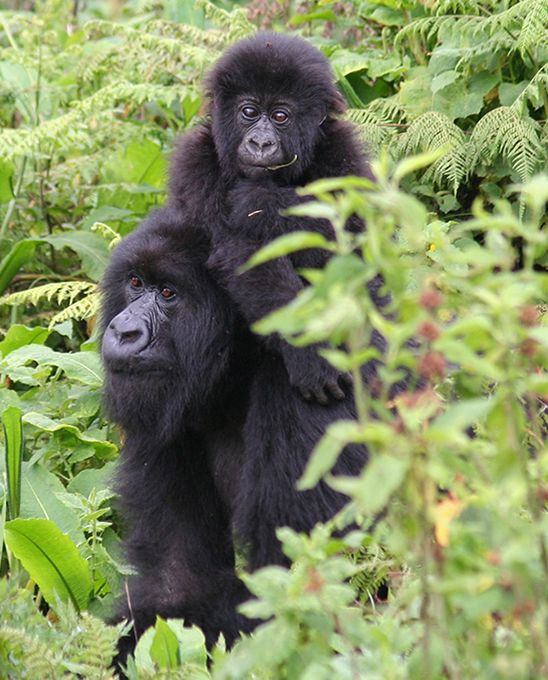
The mountain gorilla, a subspecies of the eastern gorilla, represents one of the world’s most endangered primates. These magnificent creatures are found in only a few locations in Central Africa, with populations distributed across the Virunga Massif in the Democratic Republic of Congo, and neighboring protected areas in Rwanda and Uganda. There are believed to be just over 1,000 remaining mountain gorillas in the world, with approximately one-third of the world’s population found in Virunga National Park (the remainder is divided between Volcanoes, Mgahinga and Bwindi Impenetrable national parks in neighbouring Rwanda and Uganda). This concentration makes Virunga indispensable to the species’ survival.
Budget Safaris in DR Congo
Gorilla Trekking and wildlife Safari adventures.
What it can do is stack together smart timing, modest but comfortable accommodation, shared transport, and lean itineraries to bring the overall cost of an adventure gorilla trekking experience down substantially.
Mountain Gorilla Population in Virunga
There are believed to be over 300 mountain gorillas within Virunga National Park. These gorillas are organized into distinct family units, or troops, each with its own social structure, territorial range, and family dynamics. Of the 11 mountain gorilla families that roam the Virunga Mountains, nine have been fully habituated, with the remaining two currently undergoing the process of habituation. This means that approximately 300 individuals are distributed among these family groups, with the habituated families serving as the focus of intensive research, monitoring, and conservation efforts.
The families vary considerably in size and composition. Family groups range in size with an average of 10 family members, but some can have as many as 40 individuals. The largest family in Virunga is notably exceptional in this regard. Bageni has 48 members and is the largest mountain gorilla family in Virunga national park, with the group residing in the Bukima sector. This exceptional size resulted from multiple interactions with other groups over the years. Other significant families include Kabirizi, which dwells in the Bukima sector and is led by silverback of the same name, having expanded its family to 36 members by 2012. These large family groups demonstrate the success of conservation efforts in allowing gorilla populations to recover and expand.
Habituated Gorilla Families and Their Locations
The habituated gorilla families of Virunga are primarily concentrated in the park’s central sectors, with particular emphasis on the Bukima region, which serves as the primary gorilla trekking area. Habituated in the Bukima sector in 1994, the Kabirizi Family has a fascinating history of leadership transitions. The Bukima sector has become the focal point for gorilla tourism and research, housing the majority of the park’s habituated families and serving as the primary location where visitors can encounter these remarkable animals.
Among the habituated families, several have established themselves as prominent groups known to rangers and researchers. The habituated families include Humba, Rugendo, Bageni, Kabirizi, Munyaga, Lulengo, Mapuwa, and Nyakamwe. Each family has its own documented history, leadership lineage, and territorial range within the park. Humba carved out his own group in 1998, breaking away from the Rugendo family, and this group currently thrives with 13 members, residing between Gatovu and Bikenge. Similarly, the Munyaga gorilla group resides around the slopes of Mikeno Volcano in Bukima sector, where it was first spotted in 1998.
When and how to find a budget deal.
Gorilla families in Virunga represent the living laboratory of gorilla conservation, with each member individually identified and named through their distinctive nose prints. In Virunga National Park, habituated families are normally named after the silverback leading the troop at the beginning of the habituation process. The naming convention honors the dominant silverbacks who lead these family units and reflects the dynamic nature of gorilla societies.
The Habituation Process and Its Conservation Importance
Habituation represents one of the most significant innovations in modern wildlife conservation, and Virunga has pioneered this technique over several decades. Habituation is the most effective method for observing and comprehending the behavior of gorillas, as well as for preparing them for ecotourism, which is a significant contributor to the budget for conservation. The process, however, is neither quick nor simple. The process of gorilla habituation is a laborious, time-consuming, and time-consuming procedure in which a troop of gorillas is progressively acclimated to the presence of humans, and in most cases, the troop is prepared for tourism after around two years have passed.
Rangers and trackers work patiently and systematically to introduce gorilla families to human contact, gradually increasing both the duration and proximity of observations. This painstaking process involves Rangers and trackers gradually increasing the duration and proximity of troop visits until the gorillas no longer perceive human observers as a threat. During this process, every individual gorilla is carefully identified and named, creating detailed records that allow researchers to track births, deaths, transfers between groups, and behavioral patterns over decades.
The habituation process serves multiple critical conservation functions. It enables researchers to monitor gorilla health, reproduction, and social dynamics in real-time. It provides rangers with intimate knowledge of each group’s location, movements, and behavioral patterns, facilitating protection against poaching and other threats. Most significantly, habituation supports conservation funding through ecotourism, providing economic justification for park protection and direct revenue for conservation programs. Visitors who trek to see habituated gorillas generate income that supports ranger salaries, anti-poaching patrols, veterinary care, and community development initiatives.
Conservation Success and Recovery
The conservation efforts centered on habituation and park protection have yielded remarkable results. Through habituation, the mountain gorilla population has experienced a healthy resurgence, moving out of the critically endangered zone, with their numbers now exceeding one thousand individuals. This recovery represents one of conservation’s greatest success stories. Mountain gorillas were once classified as critically endangered, but through coordinated efforts across Uganda, Rwanda, and the Democratic Republic of Congo, the species has been reclassified.
By the end of 2021, there were 17 births within the Park, and with similar successes in neighbouring Rwanda and Uganda, the mountain gorilla has been reclassified from critically endangered to endangered by the IUCN. These births are not merely statistics; they represent hope for the species’ future, with each new gorilla offspring strengthening genetic diversity and population resilience. The growth of families like Bageni, which has registered numerous births and expanded to exceptional size, exemplifies how protection and habituation can support natural population growth.
Challenges and Ongoing Importance
Despite these successes, Virunga’s mountain gorillas continue to face significant challenges. Regional conflict, poaching, disease, and habitat degradation threaten the park and its inhabitants. The park’s location in an unstable region of the Democratic Republic of Congo means that conservation work requires extraordinary dedication and courage from rangers and staff members. Yet the importance of this work cannot be overstated: without Virunga’s protection and the habituation programs that concentrate on specific family groups, the global mountain gorilla population would be significantly diminished.
The tracking and monitoring of habituated gorilla families provide invaluable scientific data that informs conservation strategies not only for Virunga but for all mountain gorilla populations. Each family’s history—from leadership changes and inter-group encounters to reproductive successes and losses—contributes to our understanding of gorilla ecology and behavior. This knowledge is essential for making informed management decisions that protect both wild and habituated populations.

Conclusion
Virunga National Park stands as the world’s most important refuge for mountain gorillas, harboring approximately one-third of the global population. Habituation has supported the healthy population growth of mountain gorillas, a sub-species that is central not only to healthy ecosystems but to Virunga’s conservation and developmental aims as well. With roughly 300 mountain gorillas distributed among 11 families—nine of which are habituated—and concentrated primarily in the Bukima sector, Virunga demonstrates the transformative power of dedicated conservation effort. The park’s habituated families serve as ambassadors for their species, generating awareness and support while providing researchers with unprecedented opportunities to understand and protect these remarkable primates. As long as Virunga stands protected and its rangers remain vigilant, the mountain gorilla’s future remains brighter than it once appeared.