
Kibale Forest National Park: Uganda’s Primate Capital and the Ultimate Chimpanzee Tracking Experience
Tucked into the rolling highlands of western Uganda, between the Rwenzori Mountains and the crater lakes of Fort Portal, lies one of Africa’s most extraordinary rainforests. Kibale Forest National Park covers roughly 795 square kilometers of moist evergreen and semi-deciduous forest, and within that relatively compact space lives one of the highest concentrations of primates found anywhere on the continent. For travelers building an East Africa itinerary, Kibale has become an essential stop, not an alternative to gorilla trekking, but a natural companion to it. Understanding why this park matters, what a day of chimpanzee tracking actually involves, and how it fits into the wider safari picture helps explain why Kibale keeps appearing on the wish lists of serious wildlife travelers.
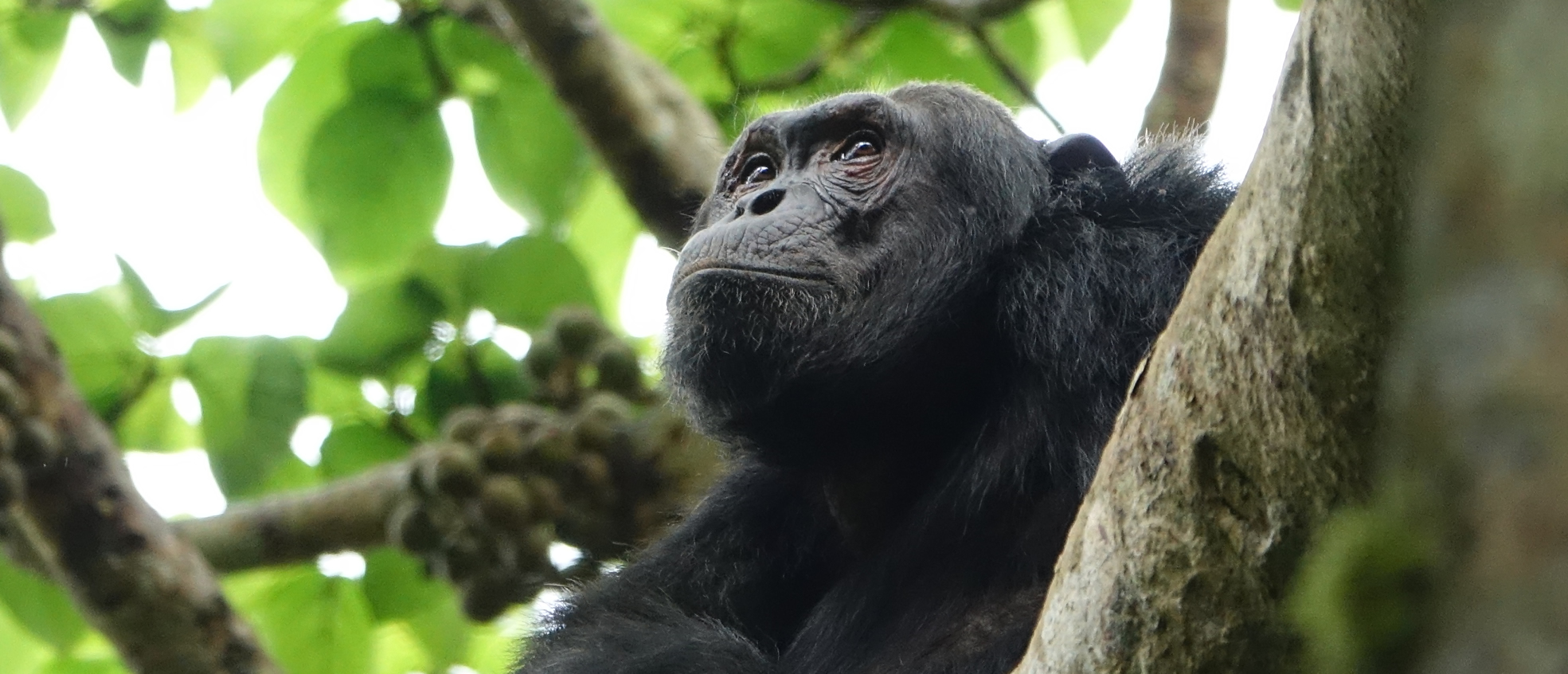
Where Kibale Sits and Why the Forest Formed This Way
Kibale National Park lies in the Kabarole and Kamwenge districts of western Uganda, a short drive from the bustling town of Fort Portal and easily combined with Queen Elizabeth National Park to the south. The park sits at an altitude between 1,100 and 1,600 meters, which gives it a cooler, wetter climate than the savannah parks most people associate with an African safari. That altitude and rainfall, often exceeding 1,700mm a year, is exactly what allowed the forest to develop such dense, multi-layered vegetation: towering mahogany and ironwood trees forming a closed canopy, a mid-story of smaller trees and vines, and a forest floor thick with ferns and undergrowth. This layered structure creates distinct ecological niches, which is a large part of the reason Kibale supports so many different species living almost on top of one another without competing directly for the same resources.
The park was gazetted in 1993, though it had been managed as a forest reserve for logging and research since colonial times. That long research history matters. Kibale has hosted continuous primate research since the 1970s, most notably at the Kanyanchu tourism center and the Ngogo research site, giving scientists and, later, tour guides an unusually deep understanding of the resident chimpanzee communities’ movements, hierarchies, and behavior.
Why Kibale Is Called the Primate Capital of East Africa
Kibale’s fame rests on numbers that are difficult to match anywhere else in the region. The park is home to an estimated 1,500 chimpanzees, part of a national population of roughly 5,000, making it the single most reliable place in Uganda, and arguably in Africa, to see wild chimpanzees. Beyond chimpanzees, Kibale shelters twelve other primate species, including the striking black-and-white colobus monkey, the red colobus, red-tailed monkeys, grey-cheeked mangabeys, blue monkeys, olive baboons, and the nocturnal potto and bushbaby. Few forests anywhere pack this much primate diversity into so small a footprint, and that density is precisely what earned Kibale its nickname among safari operators and researchers alike: the Primate Capital of the World.
The forest’s biodiversity does not stop with primates. Kibale is also recognized for its birdlife, with over 350 recorded species, including forest specialists like the green-breasted pitta and the African pitta, both prized sightings for serious birders. Forest elephants, though rarely seen, still move through parts of the park, along with bushpigs, duikers, and a healthy population of butterflies that turn the forest trails into a moving kaleidoscope on sunny mornings. This combination of accessible, well-habituated chimpanzees and an unusually rich secondary cast of wildlife is what separates Kibale from other chimp-tracking destinations in the region.
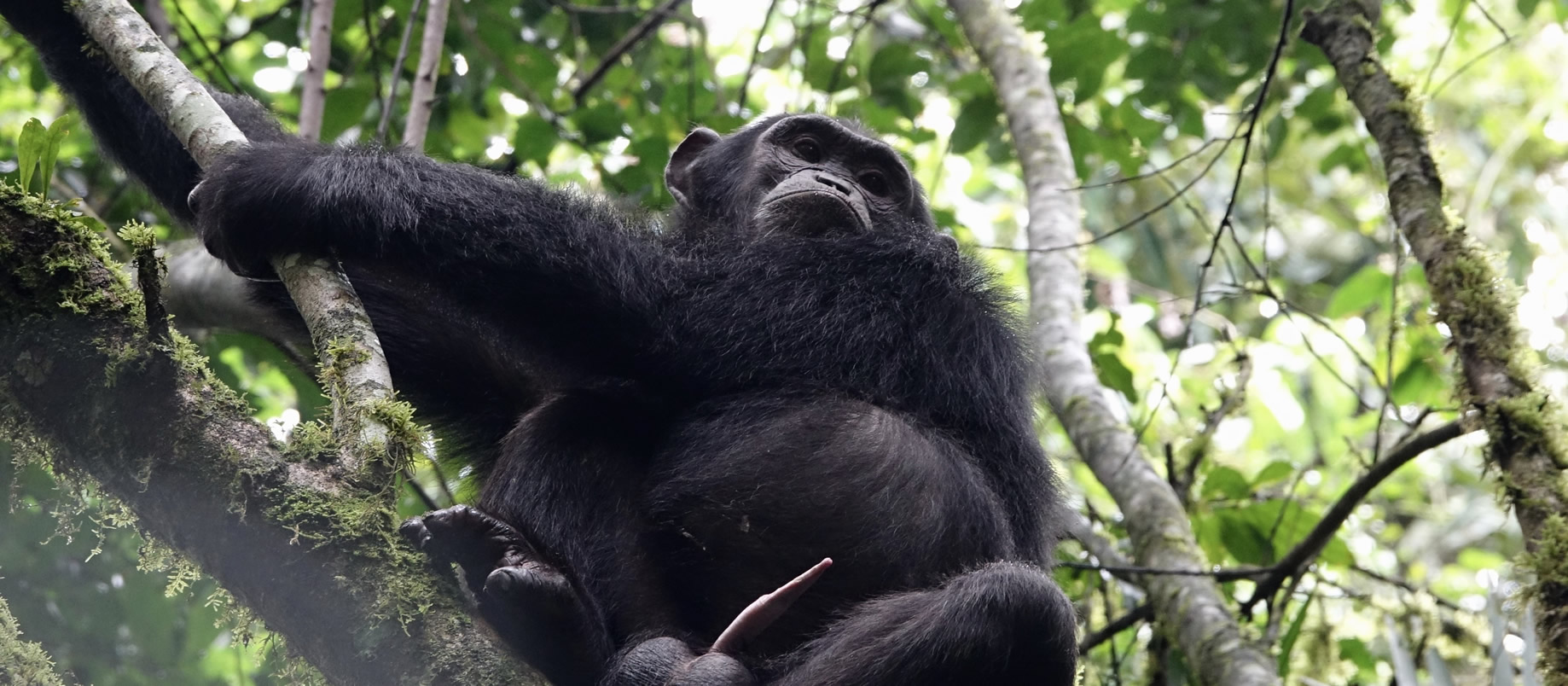
The Chimpanzee Tracking Experience, Step by Step
A chimpanzee tracking day at Kibale begins early, typically with a briefing at the Kanyanchu Visitor Centre around 6:00 or 7:00 in the morning. Uganda Wildlife Authority rangers organize visitors into small groups, generally capped at six people per group, and pair each group with an armed ranger guide, both for safety and to interpret chimpanzee behavior along the way. The briefing covers etiquette: keep a respectful distance from the animals, keep voices low, never attempt to touch or feed them, and stay together as a group.
From there, the actual tracking begins, and this is where Kibale rewards patience. Because rangers monitor the forest daily and often already have a rough sense of where a community nested overnight, the search can take anywhere from thirty minutes to several hours depending on how far the chimpanzees have ranged in search of fruiting trees. Trekking is done on foot along forest paths that wind beneath a dense canopy, past strangler figs and tangled vines, with red-tailed monkeys and colobus troops frequently crossing overhead as a preview of what’s ahead.
Once the group locates the chimpanzees, visitors are permitted a single hour in their company, a rule designed to limit stress on the animals and reduce the risk of disease transmission between humans and a species that shares roughly 98% of human DNA. That hour is rarely quiet. Chimpanzee communities are famously vocal and physical, with dominant males performing branch-shaking displays, juveniles wrestling and chasing each other through the understory, and the unmistakable pant-hoot calls that chimpanzees use to communicate across long distances in the forest. Success rates for encountering chimpanzees at Kibale are consistently high, largely because several communities in the park have been under close observation for decades and are well accustomed to human presence.
For travelers who want a deeper encounter, Kibale also offers a chimpanzee habituation experience. Rather than the standard one-hour viewing, participants join researchers and rangers for up to four hours with a community still in the process of becoming fully habituated to humans. It is a more physically demanding, less predictable day, but it offers a far more intimate look at ongoing conservation work and natural chimpanzee behavior away from the more scripted rhythm of the standard trek. Because both tracking and habituation permits are issued in limited numbers and permit fees are periodically revised by the Uganda Wildlife Authority, travelers should confirm current pricing and availability with a licensed tour operator or directly with UWA well ahead of their planned travel dates, particularly for the June to August and December to February peak seasons, when permits can sell out months in advance.
Beyond the Chimpanzees: What Else Kibale Offers
While chimpanzee tracking is the headline activity, Kibale rewards travelers who build in extra time. The Bigodi Wetland Sanctuary, a community-run reserve on the park’s eastern edge, offers guided walks through papyrus swamp and forest edge habitat where visitors regularly spot eight or more primate species in a single morning, along with a rich variety of birdlife, all while supporting a locally managed conservation project. Night walks inside the park itself give visitors a rare chance to see nocturnal species such as pottos, bushbabies, and various owl species that never appear during daytime treks. Guided nature walks along the park’s forest trails, meanwhile, focus on the smaller details of the ecosystem: medicinal plants, insect life, and the layered canopy structure that makes the whole park function as an interconnected system.
Fort Portal itself, the nearest major town, adds another layer of interest for travelers, with its crater lakes, tea plantations, and views toward the Rwenzori Mountains, sometimes called the Mountains of the Moon. Many itineraries pair a night or two in Fort Portal with the Kibale forest activities, giving travelers a gentler, scenic counterpoint to the intensity of a forest trek.
How Kibale Connects to Uganda’s Wider Gorilla and Wildlife Safari Circuit
Kibale’s location in western Uganda places it at a natural crossroads for safari planning, and this is where its relationship to gorilla trekking becomes clear. Uganda’s mountain gorillas live in Bwindi Impenetrable National Park and Mgahinga Gorilla National Park, both in the country’s far southwest, while golden monkeys and additional gorilla families can be tracked just across the border in Rwanda’s Volcanoes National Park. Kibale sits roughly midway along the overland route that connects these gorilla destinations to Queen Elizabeth National Park, one of Uganda’s premier savannah reserves known for tree-climbing lions, hippo-filled channels, and classic game drives.
Because of this geography, most well-designed Uganda itineraries treat Kibale not as a stand-alone destination but as a natural link in a broader primate and wildlife circuit. A typical route might begin in Kampala or Entebbe, move west to Kibale for chimpanzee tracking, continue south to Queen Elizabeth National Park for game drives and a boat cruise on the Kazinga Channel, and finish in Bwindi for gorilla trekking before looping back, or continuing across the border into Rwanda to combine both countries’ gorilla populations in a single trip. This structure lets travelers experience Uganda’s two flagship primates, chimpanzees and mountain gorillas, without long backtracking, while also taking in the savannah wildlife that many people associate with a classic African safari.
The pairing also makes sense from a conservation and storytelling perspective. Chimpanzees and gorillas, while both great apes, offer genuinely different encounters. Gorilla families are generally calmer and more sedentary, built around a dominant silverback, and trekking them often involves working through dense mountain vegetation at higher altitude. Chimpanzees, by contrast, are more mobile, noisier, and more overtly social in a way that can feel closer to watching a large, boisterous extended family than observing a stable troop. Experiencing both on the same trip gives travelers a much fuller picture of great ape behavior and conservation than either encounter offers alone, and it is precisely this complementary contrast that has made “gorillas and chimpanzees” itineraries one of the most sought-after combinations in East African tourism.
Planning Considerations
Because Kibale’s chimpanzee permits and Uganda’s gorilla permits are both issued in limited daily numbers, and because both activities require a reasonable level of fitness for uneven, sometimes muddy forest terrain, early planning matters. Most tour operators recommend booking permits three to six months ahead of travel, particularly for the dry season windows from June to September and December to February, when demand from international visitors peaks. Comfortable, closed hiking shoes, neutral-colored clothing, a rain jacket regardless of season, and a reasonable level of fitness all make the difference between a good day in the forest and a difficult one.
Best Time to Visit
Kibale can technically be visited year-round, since chimpanzee tracking continues through the rains, but the experience changes noticeably with the seasons. The two dry spells, roughly December through February and June through September, offer firmer trails, easier walking, and generally higher visibility once the group reaches the chimpanzees. These months are also Uganda’s busiest for tourism overall, so permits and nearby lodges book out well in advance. The wetter months, particularly March to May and October to November, bring heavier rain and muddier paths, but also quieter trails, lush greenery, and often lower accommodation rates, a worthwhile trade-off for travelers who prioritize a more solitary forest experience over guaranteed dry conditions. Because rainforest weather is unpredictable in any season, a waterproof layer is standard advice regardless of when a trip is booked.
Conclusion
Kibale Forest National Park earns its reputation honestly. It combines an unmatched density of chimpanzees with a wider cast of primates, birds, and forest life that few reserves anywhere can rival, all wrapped inside a rainforest that has been studied and protected for decades. For travelers, it is rarely visited in isolation. Its location along Uganda’s western safari corridor makes it the natural link between the country’s savannah parks and its mountain gorilla destinations, turning a single trip into a genuine tour of Central Africa’s great apes. Whether the goal is a single unforgettable hour with a chimpanzee community or a full circuit that also includes gorillas in Bwindi and game drives in Queen Elizabeth, Kibale stands as one of the most compelling reasons to build a Uganda itinerary in the first place.
Best Gorilla Safari Packages
Mountain gorillas exist in only two isolated populations, found nowhere else on the planet. Here are the best Gorilla trekking safari packages to Volcanoes National Park in Rwanda, Bwindi and Mgahinga National Parks in Uganda.
- 1 Day Rwanda Gorilla trekking
- 1 Day Bwindi Gorilla safari
- 2 Days Volcanoes Gorilla Tour
- 3 Days Rwanda Gorilla Adventure
- 4 Days Double Gorilla Trekking
- 5 Days Safari to Bwindi NP
- 7 Days Rwanda & Uganda
- 8 Days best of Rwanda Safari

Combined Safari Packages
These gorilla trekking safari packages take travellers to Volcanoes National Park in Rwanda, as well as Bwindi Impenetrable and Mgahinga Gorilla National Parks in Uganda. Each itinerary can be paired with wildlife viewing and chimpanzee tracking experiences for a more comprehensive safari.
- 1 Day Rwanda Gorilla trekking
- 1 Day Bwindi Gorilla Safari
- 2 Days Volcanoes Gorilla Tour
- 3-Day Rwanda Gorilla Adventure
- 4 Days Double Gorilla Trekking
- 5-Day Safari to Bwindi NP
- 7 Days Rwanda & Uganda
- 8 Days Best of Rwanda Safari
Gorilla permits (in Uganda, Rwanda, or the DRC) are fixed-cost, government-set fees that everyone pays regardless of budget. Since that cost is constant, the accommodation category chosen becomes the main lever that pushes a package from “budget” to “midrange” to “luxury.” We offer apealing quotes because we havs special deals on accommodations leaving your package under your budget.
- Budget/community lodges — simple rooms, shared facilities, basic meals
- Midrange lodges — en-suite rooms, decent service, set menus
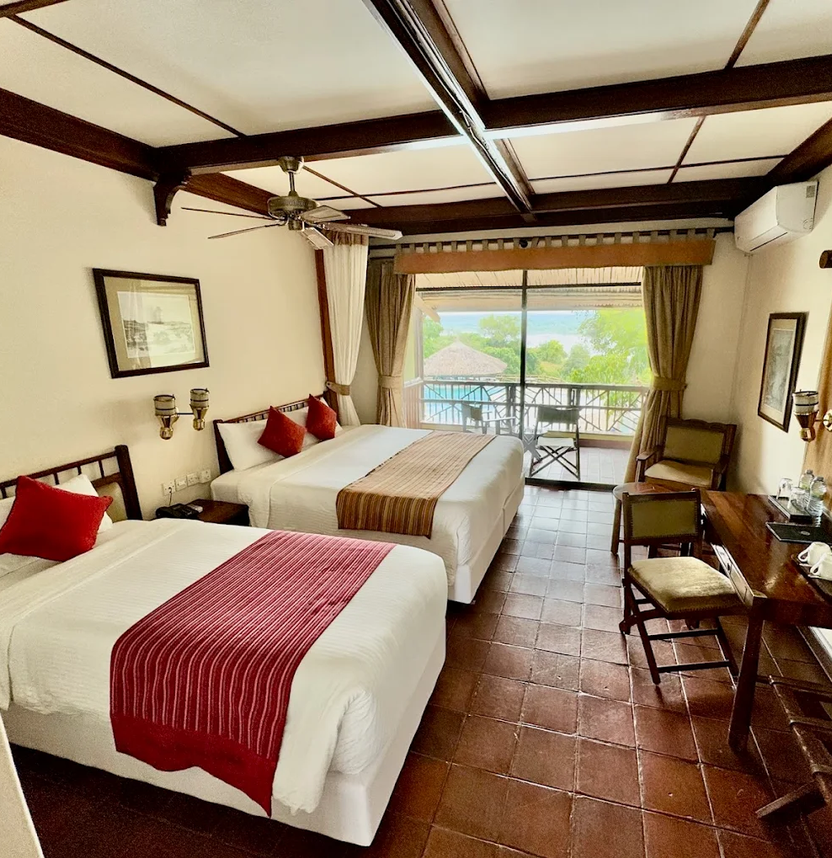
- Luxury lodges/camps — private cottages, personalized service, premium dining, sometimes even private guides or viewing decks
Adventure Gorilla Tours
From exclusive one-day gorilla trekking excursions in Rwanda and Uganda to comprehensive safari experiences across East Africa’s premier wildlife destinations, we specialize in crafting unforgettable African journeys tailored to your needs.
Every itinerary we design reflects careful attention to our clients’ unique preferences and travel goals. Reach out to our team today, and let us create a bespoke travel experience designed exclusively around what matters most to you.
Featured safari destinations
22 Days best of Uganda Safari
This gives you a full highlight of Uganda widlife Safari vacation.