
Uganda Safaris: Gorilla Trekking & Wildlife Tours
Uganda, the “Pearl of Africa,” packs remarkable ecological diversity into a small area — mountains, rainforests, wetlands, crater lakes, savannahs, and the Nile’s source — letting visitors combine game drives with gorilla and chimpanzee tracking in one trip. Its ten national parks each offer something distinct. Queen Elizabeth National Park is the top savannah destination, famed for Ishasha’s tree-climbing lions, kob, buffalo, elephants, and Kazinga Channel hippo cruises. Murchison Falls, Uganda’s largest protected area, centres on the Nile’s dramatic gorge and falls and hosts elephant, giraffe, and lion populations. Remote Kidepo Valley offers rugged wilderness with cheetahs, ostriches, and buffalo herds.
2-Day Gorilla Trekking Safari: Kigali to Bwindi
Depart Kigali via Cyanika or Katuna border (3-4 hours) to your chosen Bwindi sector—Buhoma, Ruhija, Rushaga, or Nkuringo. Check into a nearby lodge and get briefed on the trek. Next morning, early UWA ranger briefing at park headquarters, then trek into the forest to track a habituated gorilla family before returning to Kigali by evening.
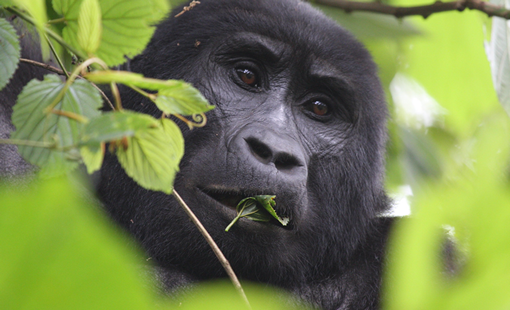
8-Day Kidepo & Murchison Falls
Price:
$2220/pp
- 2 pax
- Mid-range
- 4x4
This adventure covers Kidepo Valley National Park, Sipi Falls, Murchison Falls National Park, and Ziwa Rhino Sanctuary. Starting in Kampala, the route passes through Jinja for a boat trip at the Nile’s source
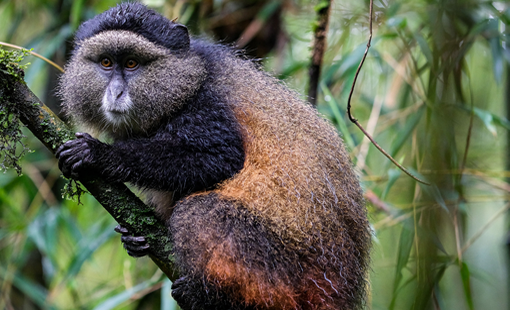
8-Day Uganda Safari
Price:
$2420/pp
- 2 pax
- Mid-range
- 4x4
This trip combines tracking mountain gorillas in Bwindi, chimpanzee trekking in Kibale, a wildlife safari through Queen Elizabeth National Park, and a full day of white-water rafting on the Nile in Jinja.
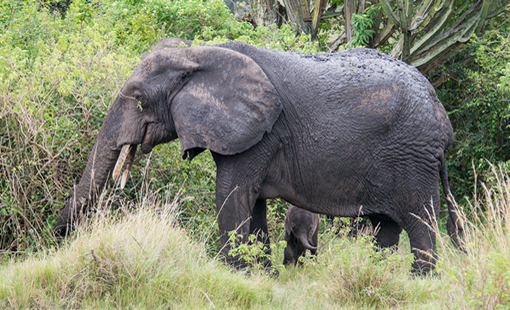
10-Day Uganda Wildlife Adventure
Price:
$3370/pp
- 2 pax
- Mid-range
- 4x4
Over ten days, you’ll take on the rapids of the Nile in Jinja, track chimpanzees through the forests of Kibale, and search out the Big Five across Murchison Falls and Queen Elizabeth National Parks.
Uganda safaris often highlight the famous tree-climbing lions of Queen Elizabeth National Park, one of only two such populations in Africa alongside Tanzania’s Lake Manyara. Found in the Ishasha sector, these lions rest in fig and acacia branches to escape biting flies, avoid heat, and spot prey — a behavior cubs learn from adults. Sightings aren’t guaranteed, since lions hunt at dawn and dusk, but Ishasha remains a top highlight for anyone planning to tour Uganda, offering unforgettable photo opportunities of lions draped across tree limbs.
Bwindi Impenetrable National Park, a UNESCO World Heritage Site in southwestern Uganda, is a top draw for safari travellers. Its 321 square kilometres of dense Albertine Rift rainforest support over 400 plant species, 350 bird species, and countless butterflies—but its fame rests on housing roughly half the world’s remaining mountain gorillas. Gorilla tracking centers on habituated families, groups gradually accustomed to human presence so visitors can observe them safely. The park has four trekking sectors—Buhoma (north), Ruhija (east), Rushaga (south), and Nkuringo (southwest)—each with distinct gorilla families, terrain, and accessibility, with lodges clustered around these trailheads.
2 Days Volcanoes Gorilla Trekking
Price:
- 2 pax
- Mid-range
- 4x4
The 2 Day Safari to Volcanoes National Park with Gorilla trekking and an overnight in Kinigi. Staying at a mid-range accommodation.
3 Days Gorillas & Golden Monkeys
Price:
- 2 pax
- Mid-range
- 4x4
Track the mountain Gorillas and Golden Monkeys in Volcanoes National Park. You will have two nights at a deluxe accommodation near the park.
5 Days Volcanoes & Akagera Safari
Price:
$3370/pp
- 2 pax
- Mid-range
- 4x4
Combine two parks, Akagera and Volcanoes National Parks. Gorilla trekking for the first 2 days, and then head to Akagera for the Big Five.
Sippi Falls – Mount Elgon National Park
If you’re touring eastern Uganda, Sipi Falls is hard to miss — and honestly, hard to top. Tucked into the foothills of Mount Elgon near Kapchorwa, just north of Mbale and a stone’s throw from the Kenyan border, it’s become one of the most photographed spots in the country. Sitting at about 1,775 meters, the air here is cooler and mistier than what you’d get in Kampala or the savannah parks up north, and that alone makes it feel like a different country.
2 Days Volcanoes Gorilla Trekking
Price:
$2220/pp
- 2 pax
- Mid-range
- 4x4
The 2 Day Safari to Volcanoes National Park with Gorilla trekking and an overnight in Kinigi. Staying at a mid-range accommodation.
3 Days Gorillas & Golden Monkeys
Price:
$2420/pp
- 2 pax
- Mid-range
- 4x4
Track the mountain Gorillas and Golden Monkeys in Volcanoes National Park. You will have two nights at a deluxe accommodation near the park.
5 Days Volcanoes & Akagera Safari
Price:
$3370/pp
- 2 pax
- Mid-range
- 4x4
Combine two parks, Akagera and Volcanoes National Parks. Gorilla trekking for the first 2 days, and then head to Akagera for the Big Five.
If you opt for more ambitious trips, itineraries can extend to Murchison Falls or to Kidepo and Karamoja, where travelers can experience remoteness and meet the semi-nomadic Karamojong. Since parks are often far apart with slow roads, many visitors fly between regions on Uganda’s charter airstrips to save time and tighten schedules. Timing depends on priorities. Uganda has two dry seasons (roughly December–February and June–September), favored for game viewing and gorilla trekking due to drier trails and wildlife clustering near water. Still, gorilla tracking runs year-round, and wetter months—though muddier—offer lush scenery, smaller crowds, and sometimes discounted permits.
About Uganda Safaris
Gorilla Trekking safari, Wildlife Tours, Hiking Adventures and Culture excursions.
A typical Uganda safari itinerary, especially for first-time visitors, tends to combine two or three of these ecosystems. A common circuit links Entebbe or Kampala with Queen Elizabeth National Park for savannah game drives and the Kazinga Channel boat cruise, continues to Bwindi for gorilla tracking, and may add Kibale for chimpanzee tracking en route.
Gorilla Trekking Safaris
Bwindi Impenetrable Forest with 356sqkms hosts half of the world's remaining Mountain Gorillas. Mgahinga on the other hand has extra families which you can consider for your adventure holiday in Uganfa
Wildlife Safaris
Uganda has more than 10 National Parks and reserves which we can craft a safari holiday for every travellers. No matter the budget, you will have the best Uganda wildlife holiday.
Adventure Tours - Hiking
Rwenzori Mountains in Western Uganda and Mount Elgon in Eastern Uganda give you an ultimate hiking adventure. Include Muhabura and Gahinga in the Virunga Massif.
Uganda Safari Lodges
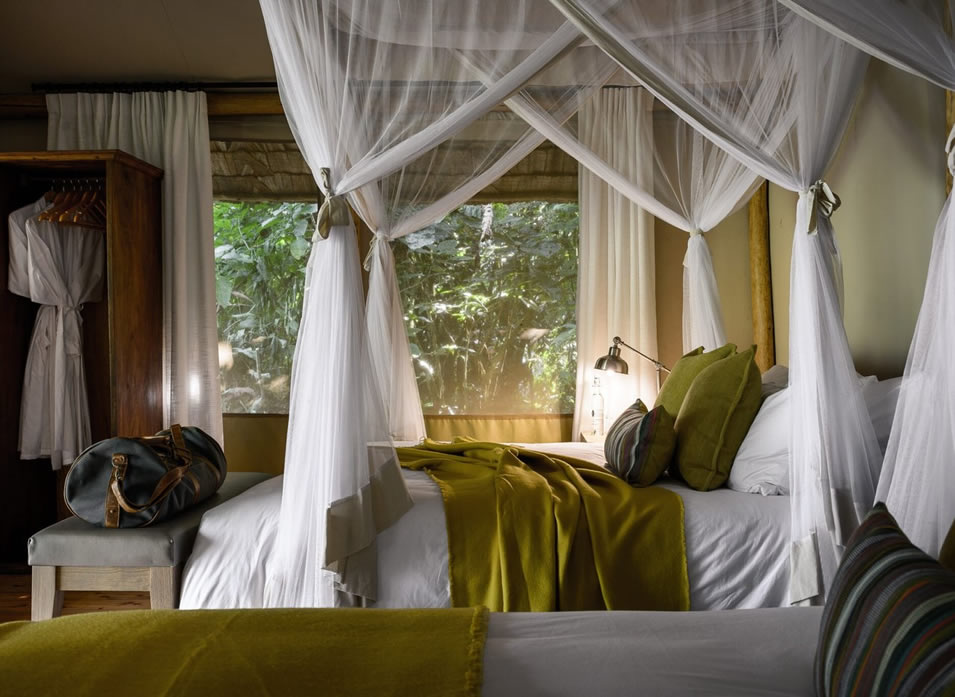
Uganda’s lodges span basic campsites to ultra-luxury camps, but mid-range options suit most independent travellers best. Built from local materials like thatch, stone, and papyrus, these lodges typically sit near park boundaries, maximizing activity time over driving. The standard offering: private en-suite rooms, hot showers, on-site dining, usually Wi-Fi, and often a pool—solid comfort without top-tier pricing.
Bwindi Impenetrable Forest: Mahogany Springs and Nkuringo Gorilla Lodge offer comfortable cottages with forest views near the Buhoma and Nkuringo trailheads, ideal given early gorilla trek start times.
Mgahinga Gorilla National Park: Mount Gahinga Lodge features a rustic stone-and-papyrus design with eight rondavel rooms, each with a porch overlooking the volcanoes.
Queen Elizabeth National Park: Queen Elizabeth Bush Lodge sits on the Kazinga Channel, built with ecological principles and frequent wildlife sightings nearby. Enganzi Game Lodge, near Katunguru, offers good value with plains and Lake George views.
Kibale National Park: Kibale Forest Camp and Primate Lodge Kibale are popular mid-range bases in or beside the forest.
Murchison Falls National Park: Pakuba Safari Lodge is a standout, located within the park. Murchison River Lodge offers thatched en-suite cottages with solar fans and USB charging on the Nile’s southern bank.
Kidepo Valley National Park: Near Kalokudo Gate, spacious tented rooms with savannah and mountain views provide a value alternative to Apoka’s pricier lodges.
Why this tier works: These lodges cut travel time to trailheads and game circuits while covering essentials—private bathrooms, reliable meals, mosquito nets, and often solar power—without luxury pricing. Many are owner-run or community-linked, offering a more personal feel than larger hotel-style properties. For travellers prioritizing wildlife time over polish, this tier delivers the best value on a Uganda safari.