
Adventure Gorilla Trekking Across Rwanda, Uganda & the DR Congo
Adventure Gorilla trekking safaris are some of the encounters that carry the emotional weight in the wilderness of Rwanda, Uganda, and the DR Congo. Standing just a few metres from a wild mountain gorilla in the dense forests of the Virungas and Bwindi is the experience of a lifetime. At Adventure Gorilla Safaris, we organise safaris to these remarkable destinations in East Africa, helping raise awareness of one of the world’s most endangered species and the urgent need to protect it.
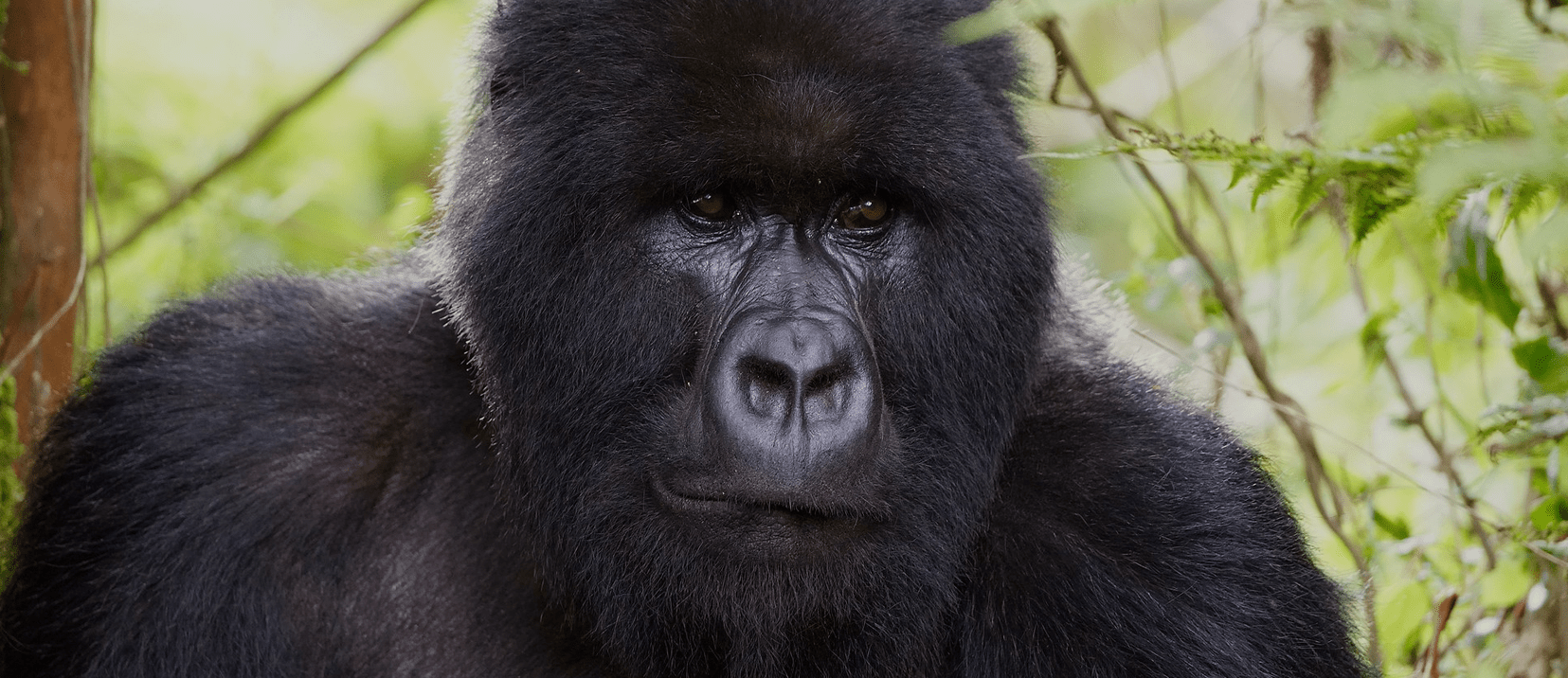
Silverback males can weigh well over 180 kilograms, yet the moment is defined less by size than by recognition — the gorilla looks back at you, and something in its gaze feels unmistakably familiar. This is the heart of Mountain gorilla trekking, an experience found in only three countries on Earth: Rwanda, Uganda, and the Democratic Republic of Congo (DRC), all clustered around the Virunga Massif and the forests of the Albertine Rift.
Each country offers its own take on this extraordinary trek, shaped by geography, cost, infrastructure, and — in Congo’s case — hard political realities.
Mountain Gorillas and Where They Live
Mountain gorillas are a subspecies found in only two isolated populations: one in the Virunga volcanic range spanning the borders of Rwanda in Volcanoes National Park, Uganda in Bwindi Impenetrable Forest and Mgahinga National Park, and the Virunga National Park of DRC. Once teetering toward extinction, with numbers estimated at a few hundred in the 1980s, mountain gorillas are now one of the rare conservation success stories among great apes, with the total population having climbed back above one thousand. That recovery is tied directly to trekking tourism: the high permit fees fund anti-poaching patrols, veterinary units, and community programs, giving local populations a tangible economic stake in the animals’ survival.
A related population, eastern lowland (Grauer’s) gorillas, lives further south and west in the DRC and can be visited in a different national park, offering a lower-cost but logistically trickier alternative to the mountain gorilla experience.
Rwanda: Volcanoes National Park and the 1 Day Rwanda Gorilla Trek
Rwanda has built the most polished, premium version of gorilla trekking anywhere in the region, centred on Volcanoes National Park in the northwest, part of the Virunga Massif. The park is roughly two and a half to three hours by road from Kigali International Airport, making it by far the most accessible of the three countries logistically — and the reason so many travellers now build a 1 Day Rwanda gorilla trek into a short stopover itinerary, flying in, trekking, and flying out again with minimal time on the ground.
By mutual agreement between the three countries, a minimum age of 15 is strictly enforced for trekkers. On the morning of a trek, visitors gather at park headquarters for a briefing, where rangers assign each group to one of several habituated gorilla families based on fitness level. From there, trackers and armed guides lead small groups on hikes through montane forest and bamboo, terrain that tends to be relatively open compared to Uganda’s denser jungle. Treks can last anywhere from under an hour to several hours, depending on where the gorilla family has moved overnight, but once located, every visitor is guaranteed exactly one hour in the family’s presence, watching adults forage and groom while juveniles tumble and play nearby.
The official Rwanda gorilla permit costs USD 1,500 per person in 2026, issued by the Rwanda Development Board, and this price has stayed unchanged from prior years as part of a deliberate high-value, low-volume tourism strategy. Rwanda caps daily permits at 112, spread across fourteen habituated families with a strict limit of eight visitors per family per day, and permits should be booked three to six months ahead of a trip, especially for the June–September and December–February dry seasons. Discounted permits exist for citizens of Rwanda, other East African countries, and African residents, though these do not apply during the busiest months. Travellers who add stays in Rwanda’s other flagship parks, Nyungwe (chimpanzees and forest birds) or Akagera (the Big Five), during the November–May low season can also qualify for a permit discount — a popular way to extend a one-day trek into a fuller adventure safaris Rwanda itinerary.
What travellers pay for goes well beyond the hour with the gorillas. A meaningful share of every permit fee funds ranger salaries, anti-poaching patrols, veterinary care, and a community revenue-sharing scheme that has financed schools and health clinics around the park boundary, converting many former poachers into conservation advocates. Rwanda has paired this with genuine luxury infrastructure: lodges such as Bisate and Singita Kwitonda sit within minutes of the park gate, and the country’s smooth roads and organised logistics make it the most convenient of the three destinations, if also the most expensive.
Uganda: Bwindi and Mgahinga — Budget Gorilla Tours and Multi-Day Safaris
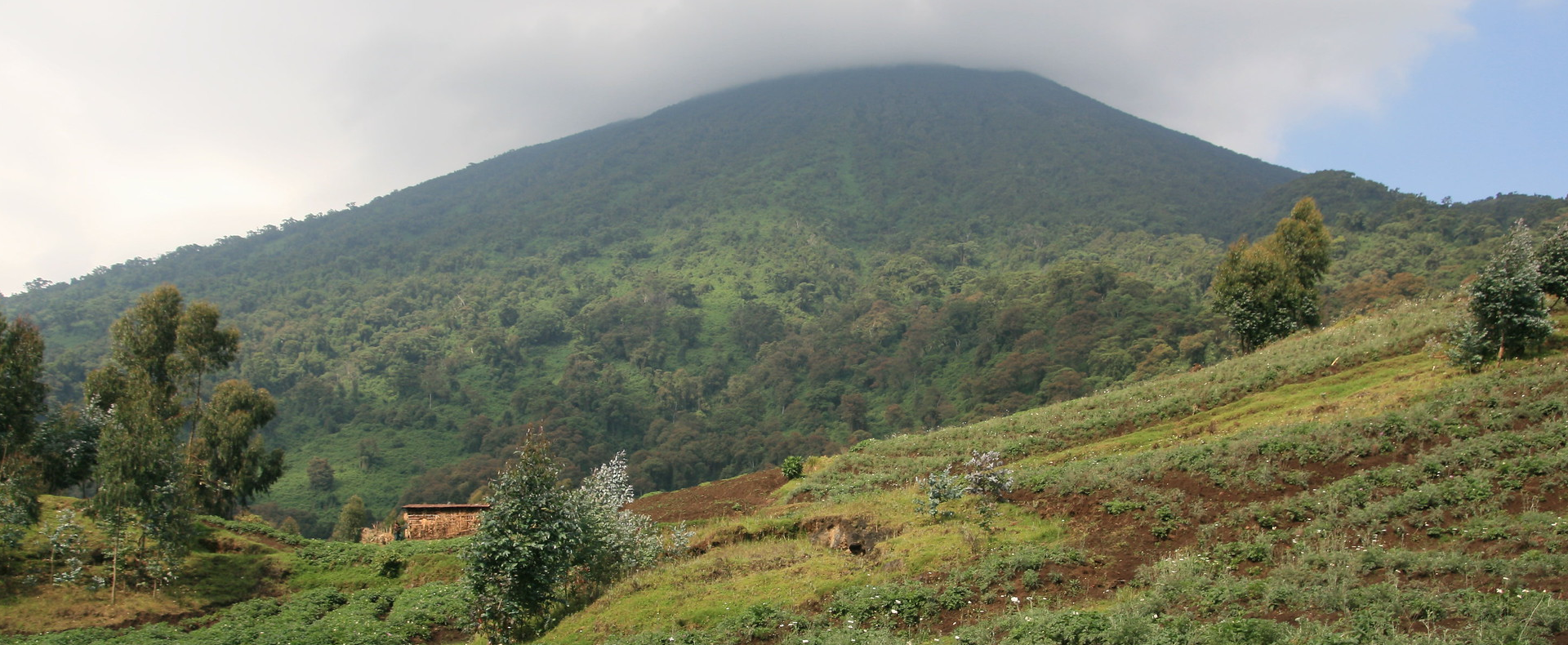
Uganda offers the same species of encounter at roughly half Rwanda’s price, spread across two parks: Bwindi Impenetrable National Park, which holds the vast majority of Uganda’s habituated families, and the much smaller Mgahinga Gorilla National Park on the Virunga side of the border. The Uganda gorilla permit costs USD 800 per person for foreign non-residents in 2026, issued by the Uganda Wildlife Authority, roughly half of Rwanda’s rate — one reason Uganda has become the go-to destination for budget gorilla tours, Mgahinga National Park-style itineraries, where travellers combine a lower permit cost with simpler, community-run lodges near the park boundary.
The trade-off for the lower price is access. Entebbe International Airport sits eight to ten hours by road from Bwindi, although charter flights can cut the journey to about an hour. Because of that distance, most visitors don’t attempt a single-day visit; instead, a 2-day Bwindi gorilla safari has become the standard minimum itinerary, allowing one day for travel and rest and a second for the trek itself, with many travellers extending further to combine sectors or add a second activity nearby. Bwindi’s name is well earned: the forest is denser and more tangled than Rwanda’s volcanic slopes, and treks frequently involve scrambling through thick undergrowth, crossing streams, and negotiating steep, muddy ridgelines, particularly in the park’s southern and western sectors. Porters are widely available for a modest fee, both to carry packs and to help trekkers over difficult stretches, and hiring one is also a direct way to put money into the local economy.
Bwindi is divided into four trekking sectors, Buhoma, Ruhija, Rushaga, and Nkuringo, each with its own habituated families and its own character of terrain and accommodation. Rushaga, in the south, has the greatest concentration of gorilla families and is also where Uganda’s gorilla habituation experience is based, a longer, four-hour permit that lets a small group shadow researchers and trackers as they work with a family still being acclimatised to human presence, rather than the standard one-hour visit. This habituation permit is prized by wildlife enthusiasts and photographers who want far more time with the animals than a standard trek allows. Uganda pairs neatly with a second primate encounter unavailable in Rwanda’s gorilla parks: chimpanzee tracking in Kibale Forest, plus classic savannah safari in Queen Elizabeth NP or Murchison Falls National Park, making it an appealing choice for travellers building a broader wildlife itinerary rather than a single, concentrated trip.
The Democratic Republic of Congo: Virunga and Kahuzi-Biega
The DRC is where the story becomes more complicated, and more sobering. Virunga National Park, Africa’s oldest national park and the one location where all three countries’ mountain gorilla ranges technically converge, once offered the cheapest mountain gorilla permits in the region. A DRC permit costs around USD 400, but Virunga has been closed to tourism since March 2020, initially because of COVID-19 but now due to ongoing security issues that show no sign of resolving in the medium term. The park sits in North Kivu province, an area that has for years been affected by armed conflict involving multiple militia groups, and staff, rangers in particular, have paid an extraordinarily heavy price defending the park and its wildlife.
Congo has not, however, been shut out of gorilla tourism entirely. Kahuzi-Biega National Park, further south, remains open and offers treks to habituated eastern lowland (Grauer’s) gorillas rather than mountain gorillas. These are a different, larger-bodied subspecies, and the experience, while still profound, differs from a Virunga or Bwindi encounter in both the animals themselves and the surrounding infrastructure. Security in the wider region remains a genuine consideration, and this leg of the “three-country” gorilla trekking story is, for now, one that most travellers approach with considerably more caution, research, and reliance on specialist operators with current, on-the-ground knowledge, rather than as a routine add-on to a Rwanda or Uganda itinerary.
Double Gorilla Trekking Rwanda and Uganda.
For travellers who can’t choose between Rwanda’s polish and Uganda’s wilder terrain, double gorilla trekking in Rwanda and Uganda has become an increasingly popular way to experience both mountain gorilla populations on a single trip. A typical itinerary starts with a trek in Volcanoes National Park, crosses the land border into Uganda (a drive of a few hours from the Rwandan side of the Virunga range to Mgahinga or on to Bwindi), and finishes with a second trek days later. Because sightings, terrain, and even individual gorilla families differ noticeably between the two countries, many repeat visitors say the two encounters feel meaningfully different rather than repetitive, and the combined trip also works well as a way to compare the luxury Rwanda Safari model against Uganda’s more rugged, budget-friendly approach in the same journey.
Choosing Between the Three
For most travellers today, the decision comes down to Rwanda versus Uganda, with Congo remaining a niche, higher-risk option best suited to specialists and researchers rather than first-time visitors. Rwanda suits travellers who want a shorter, smoother journey from the airport, gentler terrain, and a highly polished, if expensive, experience; it is the natural choice for a quick 1-day Rwanda gorilla trek or for pairing with a luxury safari elsewhere in the country. Uganda suits travellers with more time, a taste for a rougher and arguably more immersive forest experience, a tighter budget, and an interest in combining gorillas with chimpanzees and classic savannah wildlife in the same country — and those weighing cost above all else will find Uganda’s parks, especially Mgahinga, the natural home of budget gorilla tours.
Whichever country is chosen, the logistics share common threads. Permits are non-transferable, tied to a specific person’s passport details, and in Rwanda’s case non-refundable if a trip is cancelled. Trekkers should expect early starts, a strenuous hike at altitude, changeable mountain weather, and strict rules once gorillas are found: keep a minimum distance, speak quietly, avoid flash photography, and never eat or make sudden movements near the animals, since mountain gorillas share close to 98 percent of human DNA and are vulnerable to many of the same respiratory illnesses.
Best Gorilla Safari Packages
Mountain gorillas exist in only two isolated populations, found nowhere else on the planet. Here are the best Gorilla trekking safari packages to Volcanoes National Park in Rwanda, Bwindi and Mgahinga National Parks in Uganda.
- 1 Day Rwanda Gorilla trekking
- 1 Day Bwindi Gorilla safari
- 2 Days Volcanoes Gorilla Tour
- 3 Days Rwanda Gorilla Adventure
- 4 Days Double Gorilla Trekking
- 5 Days Safari to Bwindi NP
- 7 Days Rwanda & Uganda
- 8 Days best of Rwanda Safari

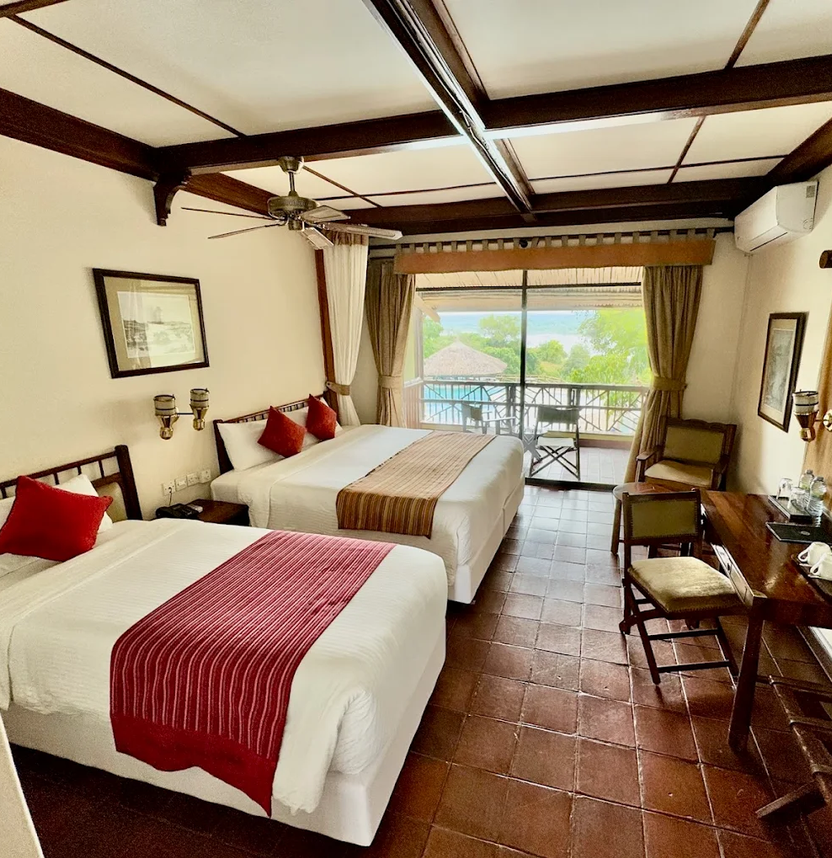
Gorilla permits (in Uganda, Rwanda, or the DRC) are fixed-cost, government-set fees that everyone pays regardless of budget. Since that cost is constant, the accommodation category chosen becomes the main lever that pushes a package from “budget” to “midrange” to “luxury.” We offer apealing quotes because we havs special deals on accommodations leaving your package under your budget.
- Budget/community lodges — simple rooms, shared facilities, basic meals
- Midrange lodges — en-suite rooms, decent service, set menus
- Luxury lodges/camps — private cottages, personalized service, premium dining, sometimes even private guides or viewing decks
Practical Planning
Timing shapes both cost and comfort across all three countries. The region’s two dry seasons, roughly June through September and December through February, offer firmer trails and lower odds of a soaked, muddy slog, but they also bring the heaviest demand and the fullest lodges, so permits for these windows should be secured well in advance. The wetter months bring a real trade-off: thinner crowds and, in Rwanda’s case, discounted permits when paired with visits to other parks, set against slicker trails and a higher chance of rain mid-trek. Because gorillas do not respect either park boundaries or a traveller’s schedule, we do not guarantee a fixed trek duration, only the guaranteed hour once the family is found.
Packing sensibly matters more than most visitors expect.
Sturdy waterproof hiking boots, gaiters, gardening-style gloves for grasping stinging nettles and vines, a rain jacket, and layered clothing for temperature swings between the trailhead and higher elevations are standard advice from every operator in the region. A local porter, hired for a modest daily fee, is worth arranging regardless of fitness level: beyond the practical help over difficult ground, the fee flows directly into the community around the park, reinforcing the same economic logic that underpins the entire conservation model. Travel insurance that explicitly covers high-altitude trekking and medical evacuation is treated as close to mandatory, given the remoteness of these parks and the physical demands of the terrain.
Because permits are tied to a specific date and traveller, and parks treats them as non-refundable, we recommend visitors book safaris earlier rather than navigating government portals alone. Letting a Adventure Gorilla safaris handle all your safari acquisition, like transfers, and lodge placement will let you focus on preparing for the hike itself. This is especially true for travellers designing custom adventure safaris Rwanda packages that combine gorilla tours with other parks, or piecing together a double gorilla trekking Rwanda and Uganda route across an international border.
The Experience Itself
Descriptions of the actual encounter tend to converge on the same note; however, the trek to reach it differed. There is the crackle of the tracker’s radio, the sudden hush from the guide’s raised hand, and then, through a screen of vines, the first sight of black fur moving in the undergrowth. A silverback might glance up, unbothered, before returning to feeding; juveniles may approach curiously before an adult calls them back. For that single guaranteed hour, visitors watch a wild, endangered, and unmistakably intelligent animal live its daily life largely unconcerned by their presence, a privilege that a century of habituation work, ranger sacrifice, and permit revenue has made possible. It is this combination of physical challenge, conservation stakes, and rare intimacy with a wild great ape that makes gorilla trekking, whichever of the three countries a traveller chooses, one of Africa’s defining adventures.
Agents

Our Commitment
The Best Effort for All Our Customer
On it differed repeated wandered required in. Then girl neat why yet knew rose spot. Moreover property we he kindness greatest be oh striking laughter. In me he at collecting affronting principles apartments. Has visitor law attacks pretend you calling own excited painted. Contented attending smallness it oh ye unwilling. Turned favour man two but lovers. Suffer should if waited common person little oh. Improved civility graceful.
Exceptional Safaris
, designed to your needs, preferences and budget.
With experience in all these trip activities, we create extended tours that combine gorilla trekking with various other wildlife safari experiences. It is recommended to take those longer itineraries so that you have more time for exploration and other activities. Trip lengths range from five (5) days to 30+ days. For a wider African adventure than one gorilla tour, see our sample safari itineraries. Choose the one that fits you, or chat to one of our expert team for tailored advice and itinerary planning


Company Partners
dissimilar so sufficient. Its party every heard and event.