- admin
- July 31, 2026
- Primate-tracking opportunities
Chimpanzee Tracking Safaris
Planning a Chimpanzee Trekking Trip in Rwanda or Uganda
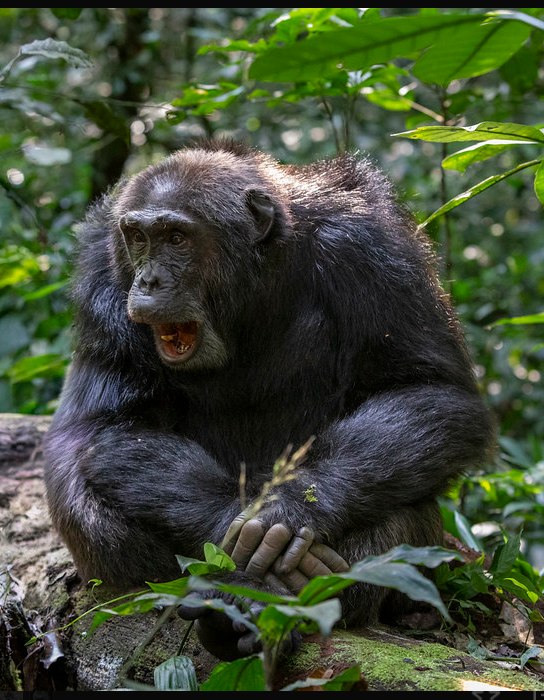
Watching a wild chimpanzee troop move through the canopy, hearing their calls ripple across the forest, and locking eyes with an animal that shares roughly 98 percent of human DNA is one of the most affecting wildlife encounters East Africa offers. Unlike gorilla trekking, which happens in a handful of tightly controlled sites, chimpanzee tracking is available across several parks in Uganda and Rwanda, giving travelers real choices around cost, difficulty, and crowd levels. Planning it well means thinking through permits, location, physical readiness, and what actually goes in your daypack.
Choosing Your Country and Park
Rwanda’s Nyungwe National Park is the country’s only chimpanzee-trekking site, a vast montane rainforest in the southwest near the Burundi border. It’s reached by a scenic but long drive from Kigali (roughly 5–6 hours) or a shorter hop if combined with Lake Kivu. Permits here cost around $90–100 for foreign non-residents, making it markedly cheaper than Rwanda’s famous $1,500 gorilla permit. Nyungwe’s chimpanzees are less densely habituated than Uganda’s, so sighting success, while good, isn’t guaranteed — expect hikes that can run three to five hours over steep, often muddy terrain. The upside is a spectacular, biodiverse forest with a canopy walkway, other primates, and excellent birding, plus Rwanda’s reputation for cleanliness, order, and strong tourism infrastructure.
Uganda offers more variety and generally better odds of a close encounter. Kibale Forest National Park, near Fort Portal, is the continent’s premier chimp-trekking destination, with over a thousand chimpanzees and several fully habituated communities delivering sighting rates above 90 percent. Standard permits run around $250 for foreign non-residents (prices have crept up in recent years, so confirm current Uganda Wildlife Authority rates before booking), covering a one-hour visit once a group is found. Kibale also offers the Chimpanzee Habituation Experience, a full dawn-to-dusk day with a semi-habituated group, priced significantly higher but capped at just four visitors — a favorite of serious wildlife photographers and researchers.
For tighter budgets, Kyambura Gorge in Queen Elizabeth National Park (permits around $100) and Budongo Forest in Murchison Falls National Park (around $65–130) offer solid alternatives with lower fees, shorter travel add-ons if you’re already touring those parks, and a quieter, less touristed feel. Sighting success is somewhat lower than Kibale’s, but both are legitimate, rewarding options, especially paired with the game drives or boat safaris those parks already offer.
Safety, Budget, and Overall Experience
On safety, both countries are well-regarded for tourism. Uganda Wildlife Authority and the Rwanda Development Board both run these programs with trained ranger-guides, radio communication between tracking teams, and firm rules (a minimum age of around 15, mask-wearing near chimps in some parks, and distance requirements) designed to protect both visitors and the animals from disease transmission and habituation problems. Rwanda tends to have a reputation for slightly more polished logistics and infrastructure, while Uganda offers more budget flexibility and a wider range of experiences.
For overall value, Uganda generally wins on raw cost-per-encounter, since even its priciest site (Kibale) sits below Rwanda’s Nyungwe once you factor in the higher probability of finding chimps quickly and the shorter drive if you’re combining it with Queen Elizabeth or Murchison Falls. Rwanda makes more sense if you’re already planning a gorilla trekking trip in Volcanoes National Park, since Nyungwe fits neatly into the same itinerary, and the country’s low-season discount scheme can bundle savings across parks. As a rough guide, budget travelers doing a single-day, permit-plus-transport-and-lodging trip in Uganda might spend $150–400 per person, while a multi-day primate-focused safari with better lodges runs $400–900 or more. Combining chimps with gorilla trekking pushes costs well past $1,500 for a week-plus itinerary, given the size of the gorilla permit fee.
Physical Conditions Required
Chimpanzee trekking is generally less physically demanding than gorilla trekking, but it’s still a genuine hike, not a stroll. Chimps range widely and move fast, so treks can last anywhere from one to five hours depending on where the group is that day, over uneven, often muddy, root-covered, and sometimes steep forest trails at moderate altitude (Nyungwe sits above 2,000 meters, which can add a mild cardiovascular strain for those unused to elevation). You should be able to walk continuously for several hours, climb and descend slopes, and tolerate humid heat and sudden rain.
There’s no formal fitness test, but honest self-assessment matters: rangers can and do adjust pace, and porters are available in every park to carry your bag and offer a steadying hand on slippery sections — well worth the modest tip-based fee even for fit trekkers. People with significant joint problems, heart conditions, or limited mobility should discuss the trip with a doctor beforehand and consider hiring a porter and using a trekking pole. Anyone feeling unwell, with a contagious illness, or presenting flu-like symptoms is typically asked not to trek, since chimpanzees are highly susceptible to human respiratory illnesses.
What to Carry on Trekking Day
A day trekking chimps calls for practical, layered, forest-appropriate gear rather than heavy equipment:
- Sturdy, broken-in hiking boots with ankle support and good tread — the single most important item, given the mud and roots.
- Long trousers and a long-sleeved, neutral-colored shirt (khaki, olive, or brown) to guard against nettles, biting ants, and thorny vegetation; avoid bright colors and camouflage patterns, the latter often restricted for civilians in both countries.
- A lightweight rain jacket or poncho, since equatorial forest showers arrive with little warning.
- Gardening-style gloves to protect hands when grabbing vegetation on steep sections.
- Gaiters or trousers tucked into socks, a simple but effective barrier against safari ants.
- A daypack for water, snacks, and a spare layer, ideally carried by a hired porter.
- At least 1.5–2 liters of water and some energy-dense snacks, since treks can run long.
- Insect repellent and, in malaria zones, appropriate prophylaxis discussed with a travel doctor beforehand.
- A hat and sunscreen for the drive and open sections, alongside binoculars for spotting movement in the canopy before you’re close.
- A camera without flash — flash photography is prohibited near chimps — and a dust/rain cover for it.
- A face mask, required or recommended in several parks to reduce disease transmission risk to the chimpanzees.
- Your passport and permit confirmation, checked against your identity before the trek begins.
With the right park chosen for your budget and appetite for challenge, reasonable fitness preparation, and a properly packed daypack, a chimpanzee trek in Rwanda or Uganda delivers one of Africa’s most memorable and accessible primate encounters.