Gorilla Trekking by Budget Level: Complete Guide to Affordable, Mid-Range, and Luxury Options
Gorilla trekking stands as one of Africa’s most transformative wildlife experiences—a chance to encounter endangered mountain gorillas in their natural habitat. Yet many travelers assume this adventure is exclusively for the wealthy. The reality is more encouraging: gorilla trekking is accessible across multiple budget levels, each offering authentic experiences with varying degrees of comfort and service. This guide breaks down your options transparently, helping you choose the experience that aligns with both your budget and expectations.
Understanding Gorilla Trekking Basics
Mountain gorillas inhabit three regions: Uganda’s Bwindi Impenetrable National Park and Mgahinga Gorilla National Park, Rwanda’s Volcanoes National Park, and the Democratic Republic of Congo’s Virunga National Park. Uganda and Rwanda dominate the trekking industry, with Uganda generally offering lower entry costs. All treks involve hiking through dense forest at high altitude to find habituated gorilla families, typically lasting 2-7 hours depending on gorilla location.
The core cost—the gorilla permit—is the largest expense. Uganda charges $700 per permit; Rwanda charges $1,500; DRC charges $400. Accommodation, transportation, meals, guides, and logistics layer additional costs on top. This structure creates genuine budget flexibility depending on where you trek and how you arrange your trip.
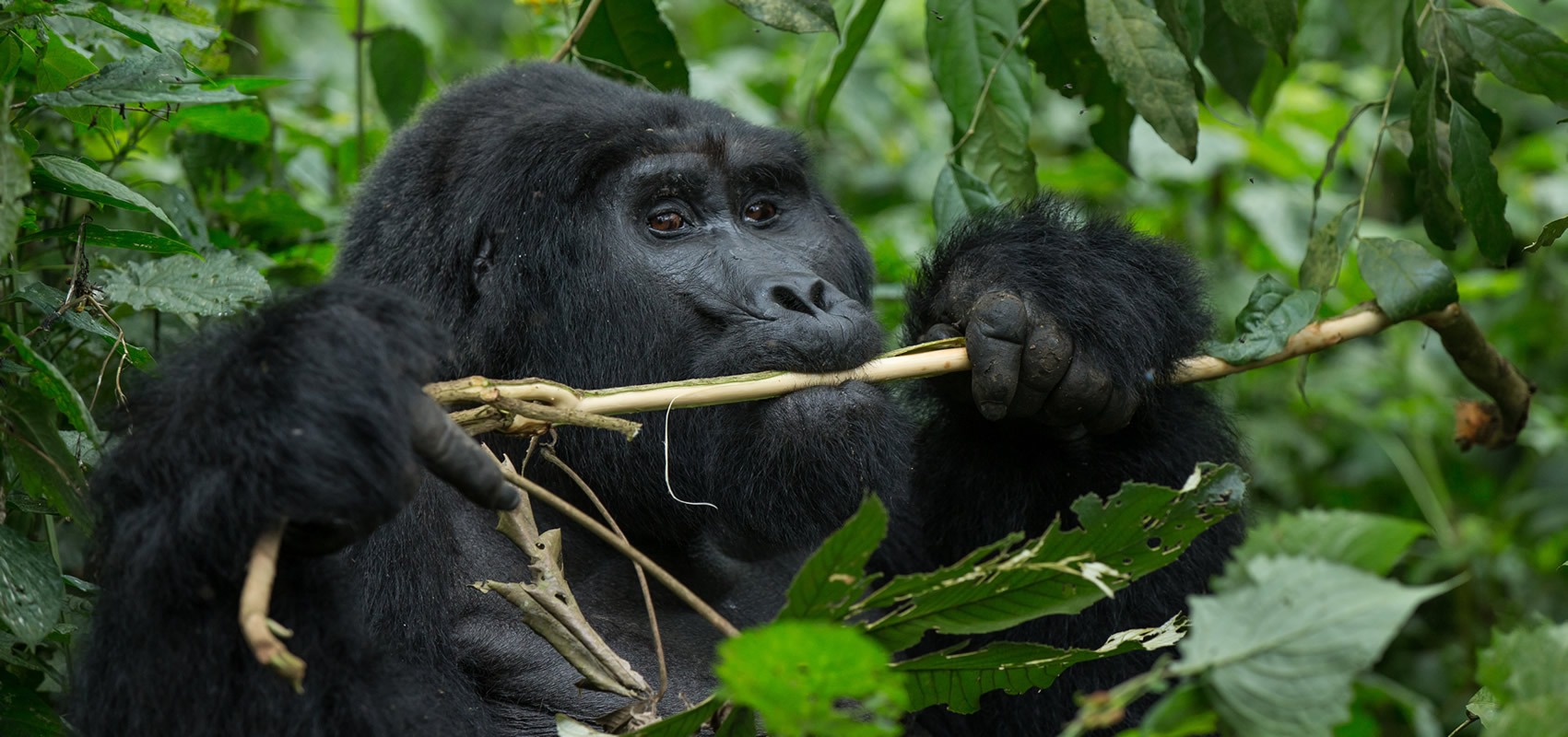
Budget Gorilla Trekking ($1,500-$2,500 per person)
What This Covers
Budget trekking prioritizes the essential experience: tracking gorillas with a licensed guide and porter, staying in basic but clean accommodation, and arranging your own logistics or working with budget-conscious local operators.
Accommodation ($30-$80 per night)
Budget travelers typically stay in guesthouses, hostels, or basic lodges near trekking parks. In Kabale, Uganda (near Bwindi), options like Buhoma Community Lodge or community-run guesthouses offer functional rooms with shared or private bathrooms. Bedding is clean, basic facilities work, and staff provides orientation to the park. Expect simple décor and minimal amenities—no air conditioning, limited hot water, Wi-Fi when available. Rooms near Kisoro or Kanungu cost $25-$60 nightly.
Transportation ($300-$500)
Budget arrangements typically involve shared or public transport. Many backpackers take overnight buses from Kampala to Kabale (12-14 hours, $20-$40), arriving ready to trek. Alternatively, budget flying-in (Entebbe to Kihiggiz airstrip, roughly $200-$250 return) splits costs with others or uses scheduled shuttle services. Local transport to trailheads is arranged by your guesthouse or permit provider, typically $15-$30 per trek day.
Permits and Guiding ($700 in Uganda; $1,500 in Rwanda)
This is non-negotiable. Your permit includes a ranger guide, armed escort, and park access. Independent bookings directly through Uganda Wildlife Authority (UWA) or Rwanda Tourism Board cost the permit fee alone, with no premium markup. However, most budget travelers book through local tour operators who handle logistics for a $50-$150 service fee.
Meals ($15-$40 daily)
Budget accommodation includes basic breakfast (tea, bread, eggs). Lunch and dinner at local restaurants and guesthouses cost $5-$15 per meal. You’ll eat well—Ugandan posho, matoke, beans, and fresh produce—but not at high-end establishments. Pack snacks and water for trekking; porters don’t carry elaborate catering.
Porters and Tips ($30-$50 per trek)
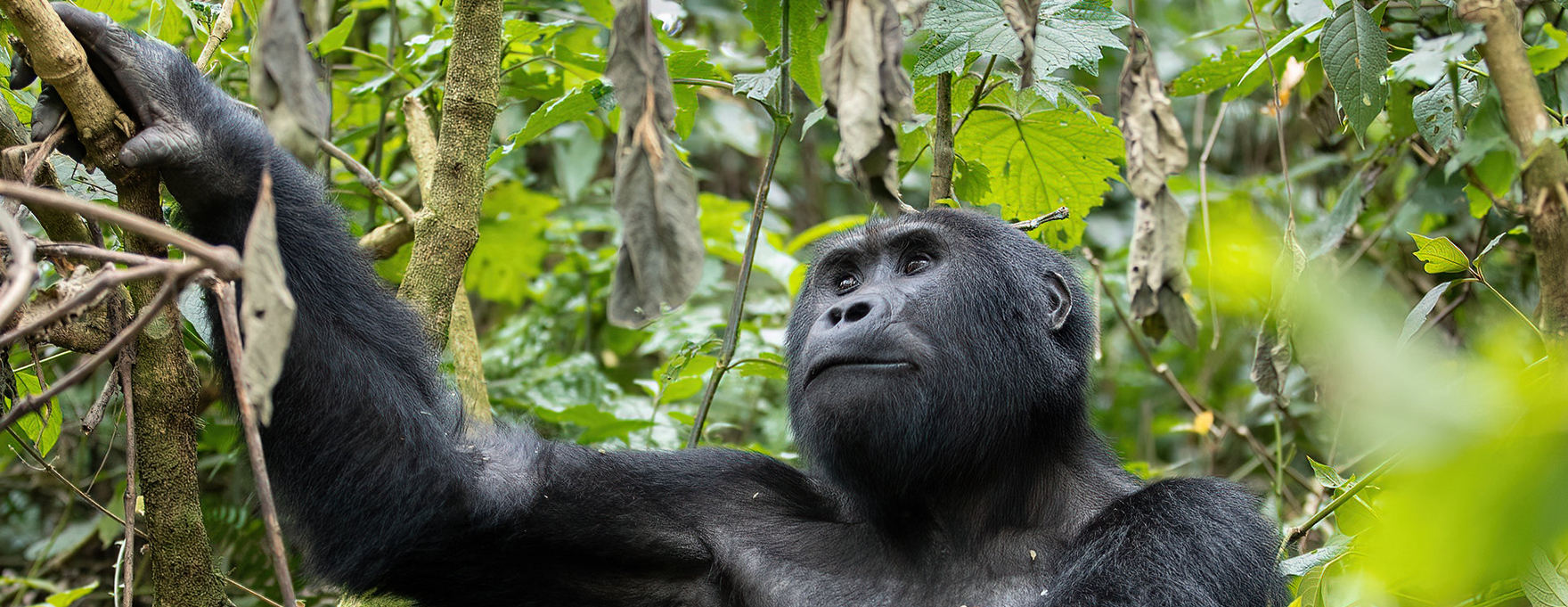
Your porter carries water, snacks, and rain gear. Paying $20-$30 plus a tip is standard and significantly improves your trek experience. This supports local livelihoods.
Real Budget Trek Example (Uganda, Bwindi)
- Permit: $700
- 3 nights guesthouse: $150 (at $50/night)
- Meals: $90
- Transport to/from trailhead: $40
- Porter and tips: $40
- Operator service fee: $100
- Total: ~$1,120 per person (excluding international flights and insurance)
Reality Check
Budget trekking requires flexibility. Gorillas might be found quickly or require 6+ hour hikes. Accommodation is basic but clean. You trek alongside international backpackers and budget-conscious travelers. The gorilla experience itself is identical to luxury options—you’ll spend 60-90 minutes watching the same apes in awe.
Mid-Range Gorilla Trekking ($2,500-$5,500 per person)
What This Covers
Mid-range packages bundle comfortable accommodation, organized transportation, experienced guides, and curated experiences. Operators handle all logistics, reducing stress and improving safety. You’ll trek with a small group and stay in quality (but not luxury) lodges.
Accommodation ($80-$180 per night)
Mid-range lodges offer private en-suite bathrooms, hot showers, comfortable beds, and pleasant common areas. Properties like Buhoma Community Rest Camp, Clouds Mountain Gorilla Lodge, or Sabyinyo Silverback Lodge (Rwanda) provide 3-star comfort. Rooms have good décor, reliable electricity, possibly Wi-Fi, and attentive service. Many are locally owned, supporting communities. Breakfast is included; meals are well-prepared with meat, vegetables, and fresh fruit options.
Transportation ($600-$1,200)
Operators typically arrange flights from Kampala/Kigali to regional airstrips or provide air-conditioned ground transportation with experienced drivers. Private airport pickups, park transfers, and safe routing are included. Some packages include flights within Uganda or Rwanda. Group departures reduce per-person costs.
Permits and Guiding ($700-$1,500)
Permits are included in package pricing. Operators pay directly; you receive specialists—guides with gorilla behavior expertise, naturalist training, and multi-language capability. Small group sizes (4-8 people) enhance the experience.
Meals ($40-$80 daily)
Lodge meals include breakfast, packed lunches, and dinner prepared by in-house cooks. Quality improves noticeably—varied proteins, fresh vegetables, occasional special dishes. Dietary restrictions are accommodated. Many lodges showcase regional cuisine.
Additional Inclusions
Responsible mid-range operators include afternoon nature walks, community visits, birding excursions, and cultural experiences. Some offer gorilla habituation experiences (spending full days observing gorillas) for $1,000-$1,500 extra—premium but worth considering.
Real Mid-Range Trek Example (Rwanda, Volcanoes National Park)
- 4-day package
- Permit: $1,500
- 3 nights mid-range lodge: $450 (at $150/night)
- All meals: $180
- Airport/park transfers: $300
- Experienced guide: included
- Naturalist walk and cultural visit: included
- Total: ~$2,430 per person (excluding international flights)
Reality Check
Mid-range trekking suits most international travelers. You receive professional service, comfortable rest after trekking, and curated experiences. You trek in small groups with engaging guides. Operators manage variables, reducing uncertainty. You’ll pay more but gain convenience, safety, and social experiences.
Luxury Gorilla Trekking ($5,500-$15,000+ per person)
What This Covers
Luxury packages deliver premium comfort, personalized service, exceptional guides, private transportation, and extensive activities. This tier emphasizes exclusivity, refinement, and holistic experiences rather than logistics-focused touring.
Accommodation ($250-$600+ per night)
Luxury lodges are architectural showcases—Singita Kanda, One&Only Nyungwe House, or Volcanoes Safaris’ properties offer suites with heated infinity pools, spa facilities, gourmet restaurants, and impeccable service. Many lodges have just 10-20 rooms. Décor is sophisticated; amenities include Egyptian cotton linens, rain showers, wine cellars, and private naturalists. Mealtimes feature multi-course dining with wine pairings.
Transportation ($1,000-$3,000)
Luxury often includes charter flights rather than scheduled service, eliminating airport waits and enabling custom schedules. Private vehicles with knowledgeable drivers transport you; some packages include flight connections from major cities. Roads traveled are optimized for comfort.
Permits and Exclusive Guiding ($700-$1,500 permits + premium services)
Permits are included. Many operators arrange private permits (trekking alone with one gorilla family) rather than group permits. Chief guides with decades of experience lead small groups (2-4 people). Some provide habituated gorilla experiences exclusively.
Meals ($100-$200 daily)
On-site Michelin-trained or acclaimed chefs prepare multi-course meals. Dietary preferences are anticipated, not merely accommodated. Wine selections complement meals. Picnic lunches on treks feature gourmet sandwiches, desserts, and premium beverages.
Exclusive Experiences ($500-$5,000 each)
Luxury packages include non-trekking activities: private nature walks with specialists, spa treatments, helicopter scenic flights, visits to gorilla research centers, private cultural ceremonies, and multi-day hiking expeditions. Many luxury operators offer gorilla habituation research experiences, essentially spending full days with gorillas as a component of tourism.
Real Luxury Trek Example (Rwanda, Volcanoes National Park)
- 4-day private safari experience
- Permit (private tracking): $1,500
- 3 nights luxury lodge suite: $1,500 (at $500/night)
- All gourmet meals and drinks: $600
- Charter flight to region: $800 (per-person portion)
- Private guide and vehicle: included
- Spa treatment: included
- Private cultural evening: included
- Total: ~$6,400 per person (excluding international flights)
High-End Variation:
Luxury operators occasionally offer 7-night packages combining gorilla trekking with mountain climbing, spa retreats, and extensive wildlife safaris:
- Premium lodge: 7 nights, $3,500-$5,000
- Private permits and guides: $2,000
- Flights/transfers: $1,500
- Activities and meals: $2,000
- Total: $9,000-$12,000 per person
Reality Check
Luxury trekking prioritizes exceptional comfort and personalization over cost-effectiveness. The gorilla experience itself isn’t superior to budget options—gorillas don’t distinguish between trekkers by spending. Luxury value lies in refined accommodation, gourmet food, expert naturalists, exclusive activities, and stress-free logistics. It’s ideal for travelers seeking comfort after challenging treks or those combining gorilla trekking with broader luxury African experiences.
Comparative Pricing Summary
| Factor | Budget | Mid-Range | Luxury |
|---|---|---|---|
| Total Cost (per person, 4 days) | $1,200-$2,500 | $2,500-$5,500 | $6,000-$15,000+ |
| Nightly Accommodation | $30-$80 | $80-$180 | $250-$600+ |
| Permit | $700-$1,500 | $700-$1,500 | $700-$1,500 (often private) |
| Meals Quality | Basic, local | Well-prepared, varied | Gourmet, wine-paired |
| Guiding | Licensed rangers | Specialist naturalists | Expert specialists, often private |
| Group Size | 8-12 people | 4-8 people | 2-4 people, private options |
| Logistics Stress | Moderate to high | Low | Minimal |
| Comfort After Trek | Basic | Good | Exceptional |
Choosing Your Level: Key Considerations
Choose Budget If:
- You prioritize the gorilla encounter above comfort
- You’re traveling with limited funds but won’t compromise on permits
- You enjoy meeting international backpackers
- You’re physically fit and comfortable with basic conditions
- You value authentic, unfiltered experiences
Choose Mid-Range If:
- You seek balance between value and comfort
- You want professional logistics without luxury pricing
- You’re traveling as a couple or family wanting decent accommodation
- You value expert guides and small group experiences
- You prefer not to handle logistics independently
Choose Luxury If:
- Comfort and pampering are essential to your travel style
- You’re combining gorilla trekking with broader premium African experiences
- You want absolute certainty regarding logistics and schedules
- You seek private or exclusive access
- You value gourmet dining and spa services alongside wildlife
Final Considerations
Regardless of budget level, gorilla trekking is transformative. The permit fees ensure conservation funding—gorillas benefit directly from tourism revenue, incentivizing protection. Your choice of budget level shapes comfort and logistics, not the profound experience of observing these intelligent, endangered animals in their ecosystem.
Uganda’s lower permit costs make it ideal for budget trekkers; Rwanda’s infrastructure suits mid-range travelers; luxury options exist across both countries. Book through reputable operators, verify porter welfare standards, confirm guides’ naturalist certifications, and ask about community benefit structures.
The gorilla awaits, regardless of your budget. Choose the level that lets you trek comfortably, then prepare for an experience that will reshape your perspective on wildlife, conservation, and human connection to nature.
Best Gorilla Safari Packages
Mountain gorillas exist in only two isolated populations, found nowhere else on the planet. Here are the best Gorilla trekking safari packages to Volcanoes National Park in Rwanda, Bwindi and Mgahinga National Parks in Uganda.
- 1 Day Rwanda Gorilla trekking
- 1 Day Bwindi Gorilla safari
- 2 Days Volcanoes Gorilla Tour
- 3 Days Rwanda Gorilla Adventure
- 4 Days Double Gorilla Trekking
- 5 Days Safari to Bwindi NP
- 7 Days Rwanda & Uganda
- 8 Days best of Rwanda Safari

Combined Safari Packages
These gorilla trekking safari packages take travellers to Volcanoes National Park in Rwanda, as well as Bwindi Impenetrable and Mgahinga Gorilla National Parks in Uganda. Each itinerary can be paired with wildlife viewing and chimpanzee tracking experiences for a more comprehensive safari.
- 1 Day Rwanda Gorilla trekking
- 1 Day Bwindi Gorilla Safari
- 2 Days Volcanoes Gorilla Tour
- 3-Day Rwanda Gorilla Adventure
- 4 Days Double Gorilla Trekking
- 5-Day Safari to Bwindi NP
- 7 Days Rwanda & Uganda
- 8 Days Best of Rwanda Safari
Gorilla permits (in Uganda, Rwanda, or the DRC) are fixed-cost, government-set fees that everyone pays regardless of budget. Since that cost is constant, the accommodation category chosen becomes the main lever that pushes a package from “budget” to “midrange” to “luxury.” We offer apealing quotes because we havs special deals on accommodations leaving your package under your budget.
- Budget/community lodges — simple rooms, shared facilities, basic meals
- Midrange lodges — en-suite rooms, decent service, set menus
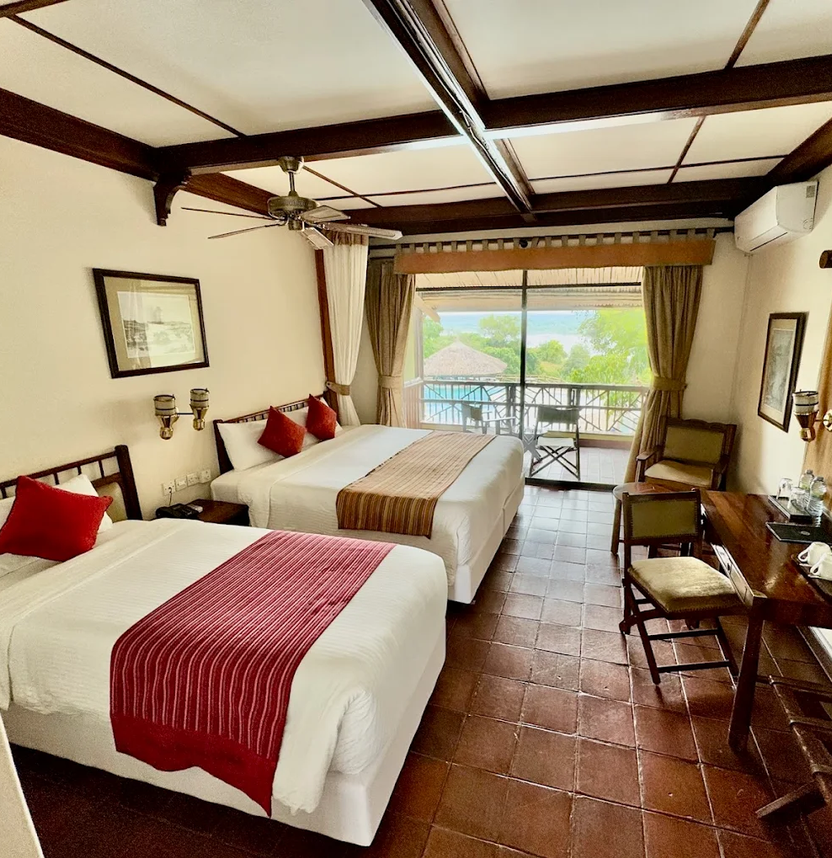
- Luxury lodges/camps — private cottages, personalized service, premium dining, sometimes even private guides or viewing decks
Adventure Gorilla Tours
From exclusive one-day gorilla trekking excursions in Rwanda and Uganda to comprehensive safari experiences across East Africa’s premier wildlife destinations, we specialize in crafting unforgettable African journeys tailored to your needs.
Every itinerary we design reflects careful attention to our clients’ unique preferences and travel goals. Reach out to our team today, and let us create a bespoke travel experience designed exclusively around what matters most to you.
Featured safari destinations
22 Days best of Uganda Safari
This gives you a full highlight of Uganda widlife Safari vacation.