Affordable Gorilla Trekking in Rwanda & Uganda
What it can do is stack together smart timing, modest but comfortable accommodation, shared transport, and lean itineraries to bring the overall cost of an adventure gorilla trekking experience down substantially.
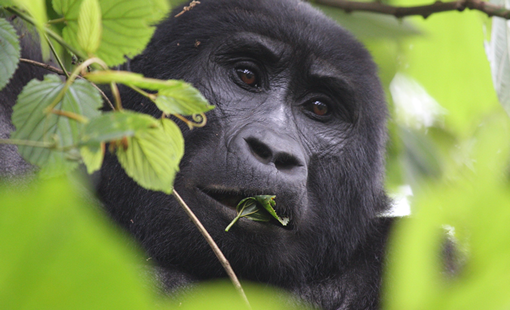
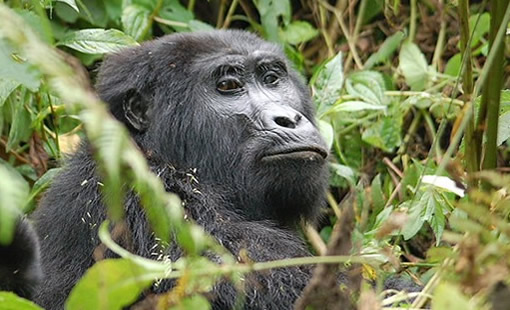
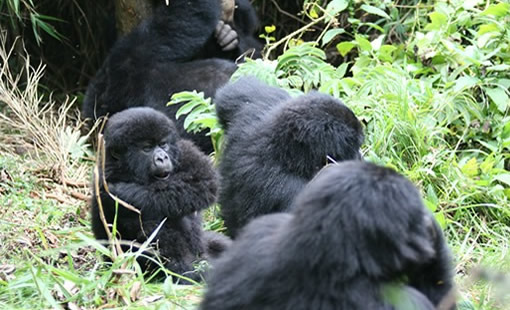
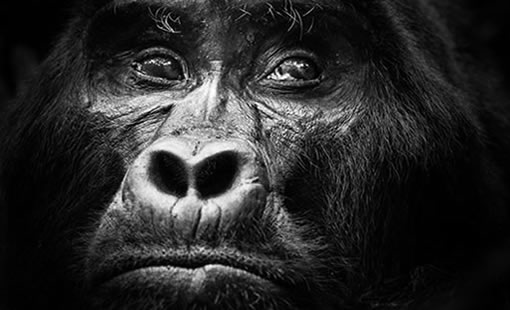
Mountain gorilla trekking is often described as the single most humbling wildlife encounter on Earth: a quiet forest, a ranger’s raised hand, and then, a few metres away, a 200kg silverback watching you with calm, intelligent eyes. It’s also, notoriously, one of the most expensive activities in African tourism — a reputation built almost entirely around the price of a single document, the gorilla trekking permit. Yet “affordable gorilla trekking” isn’t a contradiction. With the right timing, the right country, and the right approach to the rest of your trip, it’s possible to bring this experience within reach of a mid-range travel budget rather than only a luxury one.
The permit is the anchor cost
Both Rwanda and Uganda protect their mountain gorillas through strictly controlled, permit-based tourism. Only a limited number of visitors are allowed to track each habituated gorilla family per day, and the permit fee funds park management, ranger salaries, anti-poaching patrols, and revenue-sharing with neighbouring communities. This is why the fee is non-negotiable and, in Rwanda’s case, quite high.
Uganda charges USD 800 per permit, Rwanda charges USD 1,500, and the Democratic Republic of Congo charges USD 400 for foreign non-residents. That gap of nearly USD 700 between Uganda and Rwanda is the single biggest lever a budget-minded traveller has, and it’s why most “affordable gorilla trekking” conversations start in Uganda.
2-Day Gorilla Habituation in Bwindi National Park
Uganda: the budget-friendly gorilla destination
Uganda hosts about half the world’s mountain gorillas, tracked in Bwindi Impenetrable National Park and smaller Mgahinga Gorilla National Park. About 800 permits exist; book three to six months ahead, especially for peak season (June–September, December–February).
A new low-season discount, announced February 2026, applies in April, May, and November: foreign non-residents pay $600 (down from $800), residents $500 (down from $700). These discounted permits can’t be rescheduled, so travelers with flexible dates take on real risk. Also, as of March 1, 2026, the old 7-day reservation hold was eliminated—full payment is now due at booking. Beyond permits, budget for lodging ($150–$400/night at Bwindi lodges), meals, and transfers. A full 3-day trekking trip, including flights and permit, typically costs $2,000–$3,000 per person—a useful benchmark when comparing operators.
3 Days Budget Uganda
2-Day Bwindi Gorilla Trek
3 Days Rwanda Adventure
1 Bwindi Gorilla Trekking
3-Day Gorilla Habituation Experience in Bwindi
Rwanda: pricier permits, but real discount windows exist
Rwanda’s Volcanoes National Park offers a smoother, more accessible gorilla trekking experience than Bwindi, just 2–3 hours from Kigali. Standard permits cost $1,500, covering one hour with a habituated family, ranger support, and conservation contributions. Only 96 permits are issued daily across twelve families, so book early.
A real discount exists: pairing your trek with two-plus nights in Akagera or Nyungwe earns a 30% cut (~$1,050), valid November–May, outside peak season — genuine multi-park itineraries only. Steeper discounts ($200 for Rwandans/EAC citizens, $500 for African residents with 4+ months’ documented residency) are nationality/residency-restricted, not open to general travelers. For most international visitors, the 30% multi-park discount remains the most realistic way to lower Rwanda’s premium gorilla permit cost.
3 Days Uganda Gorilla Tour
2-Day Bwindi Gorilla Trek
3 Days Rwanda Adventure
1 Bwindi Gorilla Trekking
3-Day Gorilla Habituation Experience in Bwindi
Uganda vs. Rwanda, side by side
Putting the two destinations next to each other: Uganda is the better-value option on price and has more habituated gorilla families (19-plus versus Rwanda’s 12), while Rwanda is easier to reach from Kigali and offers more dramatic volcano scenery — both deliver the same core experience, a spectacular hour with a gorilla family, so the choice largely comes down to price versus convenience.
There’s also a nearby third option worth knowing about, even if it comes with caveats. The DRC’s Virunga National Park charges around $400 per permit, roughly half of Uganda’s price and a quarter of Rwanda’s — but most operators are candid that security considerations in the DRC make many travellers uncomfortable, and it’s not something to book without carefully researching the current on-the-ground situation.
Conditions for a genuinely budget gorilla trekking safari
Pulling all of this together, a “budget” gorilla trek in Rwanda or Uganda tends to depend on meeting several of the following conditions:
- Choose Uganda over Rwanda if price is your top priority. The base permit alone is roughly half the cost, and Bwindi has a larger network of habituated families, which can also mean slightly easier availability.
- Travel in the shoulder or low season. In Uganda, that means April, May, or November, when the discounted $600 permit applies. In Rwanda, that means November through May, when the 30% multi-park discount is active. Both windows overlap with the “green season” — lush scenery and thinner crowds, at the cost of muddier trails and a higher chance of rain.
- In Rwanda, build a genuine multi-park itinerary. The 30% discount isn’t automatic; it requires spending at least two nights in Akagera or Nyungwe alongside your gorilla trek, so it works best if you were already planning a longer Rwanda trip rather than a gorilla-only weekend.
- Accept the trade-offs of discounted permits. Uganda’s discounted low-season permits cannot be rescheduled, so they suit travellers with fixed, confident dates rather than flexible ones. Since payment for any Uganda permit is now due in full at booking, budget travellers should be certain of their plans before committing funds.
- Book well ahead regardless of budget. Because permits are capped daily in both countries and peak-season dates sell out months in advance, waiting for a last-minute deal rarely works. The real savings come from choosing the right season and country, not from late booking.
- Control the costs around the permit. The permit is fixed, but lodging, transport, and group size are not. Mid-range guesthouses instead of luxury lodges, joining a shared-vehicle group safari instead of a private one, and travelling overland from Kigali or Entebbe rather than flying in can meaningfully lower the total trip cost, which otherwise often lands in the $2,000–$3,000 per-person range for a short Uganda trip once flights, lodging, and a permit are all included.
- Check current eligibility categories. If you happen to hold East African Community citizenship or can document extended African residency, Rwanda’s steeply discounted permits ($200–$500) make gorilla trekking dramatically more affordable — worth checking even if it doesn’t apply to most international leisure travellers.
The bottom line
A gorilla trekking safari will never be a shoestring activity — the permit system is deliberately designed to keep visitor numbers low and conservation funding high. But “affordable” is realistic if you’re willing to travel in the shoulder season, favour Uganda over Rwanda, build a genuine multi-park Rwandan itinerary if you do choose Rwanda, and keep accommodation and transport modest. Done that way, an experience that can otherwise cost several thousand dollars per person becomes a well-planned mid-range trip rather than an exclusively luxury one — and the hour spent watching a silverback in the wild costs the same, no matter which price tier got you there.