Gorilla Trekking in Rwanda & Uganda: An Adventure in the wild.
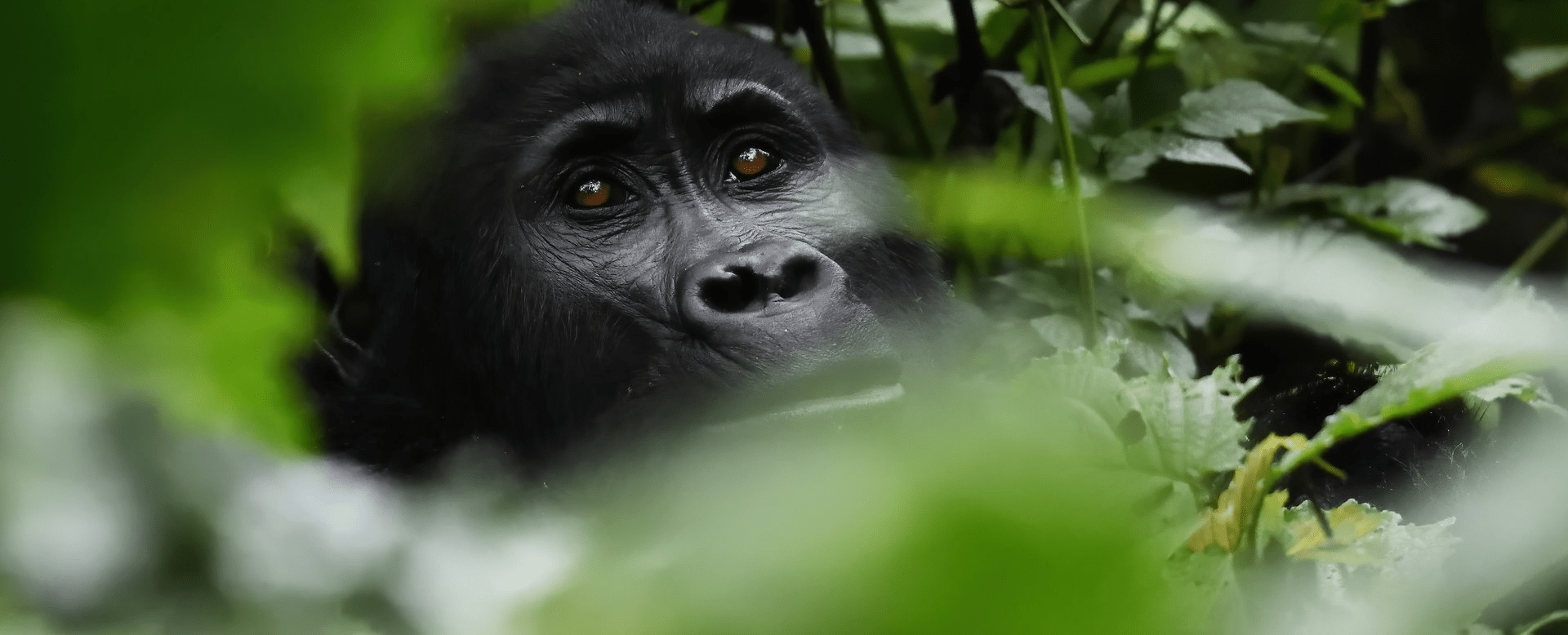
Mountain gorilla trekking represents far more than a simple forest expedition. It’s a transformative encounter with one of Earth’s most remarkable inhabitants, conducted within the lush wilderness of East Africa. This rare privilege—witnessing these powerful primates in their natural setting—has evolved into an essential adventure for conservationists, wildlife photographers, and explorers alike. The experience spans multiple nations across the region, each offering distinct perspectives on both the gorillas and the critical conservation work protecting them.
Understanding the Experience
This adventure involves trekking through thick forest vegetation, navigating challenging pathways to locate and observe wild gorillas. Participants gain insight into these endangered animals’ daily routines while contributing to their survival through permit fees. Depending on gorilla movements and park conditions, treks typically range from several hours to a full day. Upon locating a family group, visitors enjoy approximately one hour of observation from appropriate distances.
Expert trackers and rangers guide the experience, balancing visitor safety with gorilla welfare. Their expertise fosters genuine understanding of these creatures’ complex social behaviour, habitat needs, and the conservation obstacles they face.
Primary Trekking Destinations
The region’s remaining gorilla populations concentrate in three countries:
Uganda’s Protected Forests
Uganda hosts two major trekking sites. Bwindi Impenetrable Forest contains more than half the world’s surviving mountain gorillas, earning its reputation as the premier trekking destination. The park’s dense rainforest and steep topography create a genuinely demanding yet rewarding adventure.
In contrast, Mgahinga National Park offers a more serene experience. Though hosting fewer gorilla groups, this smaller reserve attracts fewer visitors, creating a more secluded atmosphere within the volcanic Virunga region.
Rwanda’s Volcanic Park
Set within the dramatic Virunga Mountains, Volcanoes National Park has become internationally renowned for premier gorilla trekking Safaris in Rwanda. While still challenging, the better-maintained trail system provides slightly easier access than some alternatives. The destination is notable for robust community-based conservation initiatives, ensuring permit revenues directly fund local protection programs.
Eastern Congo’s Remote Wilderness
Virunga National park in DR Congo offers the most isolated experience, though limited accessibility due to regional circumstances makes it the least frequented option for most international visitors.
Optimal Timing
Trekking occurs year-round, though dry periods—June through September and December through February—prove most comfortable. During these windows, reduced mud and improved visibility enhance both the trekking experience and photography opportunities.
The wetter months (March through May and October through November) bring fewer visitors alongside lush forest conditions. While trails become muddier and conditions more demanding, adventurers willing to embrace the challenge encounter fewer crowds.
Investment and Conservation Impact
Permit pricing reflects both experience value and conservation funding:
- Uganda: approximately $800 per international visitor
- Rwanda: approximately $1,500 per visitor
- Congo: approximately $400, though access remains restricted
Revenue streams directly fund anti-poaching operations, habitat protection, species research, and local community employment and development programs.
Essential Preparation
Success requires appropriate gear:
- Waterproof, rugged footwear with strong grip for muddy, uneven terrain
- Long-sleeved, durable clothing protecting against forest hazards
- Weatherproof outer layers
- Insect protection products
- Hand protection such as gloves
- Sun and UV protection
- Camera equipment with zoom capability
- Compact backpack for carrying supplies and water
The Trek Experience
Early morning briefings provide critical information about gorilla behaviour, park regulations, and safety protocols. The subsequent forest journey demands physical endurance, featuring steep grades and slippery conditions. Anticipation builds as guides approach known family locations.
The climactic hour spent observing the gorillas—watching their feeding, social interactions, and family dynamics from respectful distance—provides the experience’s core value. Guides contextualise observed behaviours within broader scientific understanding. The return journey concludes an achievement combining physical accomplishment with profound natural connection.
Conservation Significance
Trekking permits directly finance gorilla protection infrastructure: anti-poaching teams, habitat restoration, biological research, and local economic opportunity. Beyond tourism revenue, the activity demonstrates these species’ ecological value, reinforcing protection prioritisation.
Participants join a conservation effort ensuring that future generations inherit thriving wild gorilla populations.
Bwindi Gorilla Safaris from Kigali
Starting from Kigali, there are several well-structured safari routes to Bwindi Impenetrable National Park. Here’s a comprehensive outline:
Quick Overview
- Distance: ~140-170 km from Kigali
- Driving Time: 4-5 hours
- Route: Kigali → Cyanika/border → Kisoro → Bwindi
Standard Itinerary Options
- Quick Trip: 2-3 Days
Best for: Time-constrained travelers or add-on to Rwanda itineraries
Route:
- Day 1: Kigali → Kisoro (drive 8-9 hours via Cyanika border crossing)
- Overnight in Kisoro town
- Day 2: Kisoro → Bwindi, morning gorilla trek in Rushaga or Nkuringo sector
- Return to Kisoro or lodge nearby
- Day 3: Return drive to Kigali (or extend further)
Why this works: Direct access to southern Bwindi sectors; minimal time overhead
- Medium Trip: 4-5 Days
Best for: Balanced experience with Rwandan context
Variation A (Volcanoes + Bwindi):
- Day 1: Kigali → Volcanoes National Park (Musanze)
- Day 2: Gorilla trek in Volcanoes
- Day 3: Volcanoes → Bwindi (Nkuringo sector, ~4 hours)
- Day 4: Gorilla trek in Bwindi; optional Batwa cultural walk
- Day 5: Return to Kigali
Variation B (Direct + Exploration):
- Day 1: Kigali → Bwindi (Rushaga sector, via Cyanika border)
- Day 2-3: Gorilla trek, jungle walks, Batwa experience
- Day 4-5: Bwindi → Kigali (with overnight in Kisoro if needed)
- Extended Trip: 7-8 Days
Best for: Comprehensive wildlife and cultural immersion
Full Rwanda-Uganda Circuit:
- Day 1: Kigali → Volcanoes NP
- Day 2: Gorilla trek (Volcanoes)
- Day 3: Volcanoes → Bwindi (Nkuringo sector)
- Day 4: Gorilla trek (Bwindi)
- Day 5: Bwindi activities (nature walks, Batwa, birding)
- Day 6: Bwindi → Kisoro → Kabale → Back toward Kigali
- Day 7-8: Akagera National Park or Nyungwe Forest (optional) before returning
Key Travel Logistics
Border Crossing:
- Cyanika-Kayonza is the most practical border (Rwanda-Uganda)
- Alternatively: Gatuna-Katuna border (slightly longer detour)
- Permit and immigration processing: ~30-45 minutes
Gorilla Permit Timing:
- Book permits in advance (USD $1,500 Rwanda; USD $800 Uganda)
- Permits secured before traveling to Bwindi
- Morning treks typically depart 7-8 AM
Vehicle Type:
- 4×4 strongly recommended for Bwindi approaches
- Some lodge roads become impassable in heavy rain
Enhancement Activities
In Bwindi:
- Batwa cultural experiences
- Crater lake hikes (Nkuringo area)
- Birding excursions
- Forest canopy walks (where available)
- Photography-focused treks
In Kisoro/Kabale:
- Lake Bunyonyi homestays
- Mgahinga Gorilla NP (alternative trekking)
- Tea plantations
Best Times to Visit
- Peak: June-September, December-February (dry seasons)
- Shoulder: March-May, October-November (lush but occasional rain)
- All seasons are trekking-viable; permits always available