
The Tree-Climbing Lions of Ishasha: A Complete Safari Guide
Introduction: Africa’s Rarest Feline Behaviour
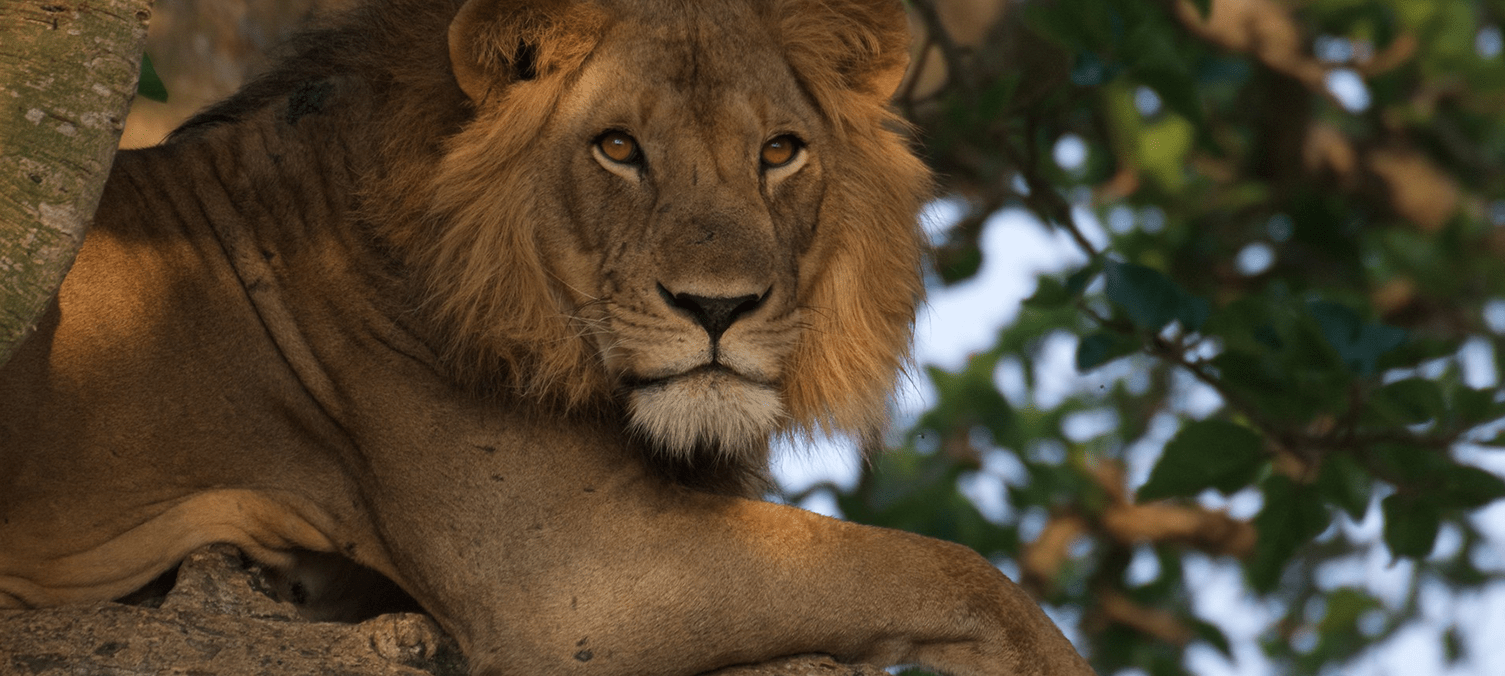
Among Africa’s most extraordinary wildlife phenomena sits a small but remarkable population of big cats that defy conventional feline behavior—the tree-climbing lions of Ishasha in Uganda’s Queen Elizabeth National Park. This remarkable adaptation has become one of East Africa’s most sought-after safari experiences, captivating wildlife enthusiasts and researchers alike with its uniqueness and mystique. Unlike their ground-dwelling cousins across the continent, the lions inhabiting the Ishasha sector have developed an unusual behavioral trait of ascending into the branches of acacia and fig trees, where they spend hours perched in apparent comfort, surveying their domain from an elevated vantage point.
This phenomenon exists in only two locations worldwide: the Ishasha sector of Queen Elizabeth National Park in southwestern Uganda and Lake Manyara National Park in Tanzania. However, the Uganda population represents the most reliable and frequently observable concentration of tree-climbing lions globally. For wildlife tourists and safari enthusiasts, Ishasha has become an essential pilgrimage destination, offering an experience that transcends typical African safari experiences and provides insight into the complex behavioral adaptations of apex predators.
The Ishasha Sector: Geography and Setting
Located in the extreme southwestern corner of Uganda, adjacent to the border with the Democratic Republic of Congo, the Ishasha sector encompasses the southern region of Queen Elizabeth National Park within Kasese District. The area spans a remote expanse of savannah plains dotted with characteristic acacia and sycamore fig trees, creating a landscape distinct from the northern sectors of the park. The landscape is characterized by sparse vegetation, wide-open grasslands, and the scattered presence of large, well-established trees that have proven ideal for the lions’ extraordinary climbing behavior.
The two-hour drive from the main Mweya sector to Ishasha traverses scenic Ugandan countryside, offering glimpses of local villages, agricultural lands, and natural vegetation zones that transition from relatively developed areas to increasingly remote wilderness. The remoteness of Ishasha contributes significantly to its appeal—it remains one of Uganda’s quieter safari destinations, free from the vehicle congestion that characterizes more popular game-viewing areas. This seclusion creates an authentic, undisturbed safari atmosphere that appeals to discerning travelers seeking intimate wildlife encounters in pristine wilderness.
The Lion Population and Pride Structure
Current estimates suggest that between 20 and 50 lions inhabit the Ishasha plains, organized into approximately three to four distinct prides. This modest population represents a vulnerable segment of Uganda’s lion population, which has declined significantly over recent decades. Wildlife Conservation Service research conducted in 2005 established baseline data revealing that the Ishasha sector supports 20 to 35 lions within a defined territory, with individual pride sizes varying seasonally based on food availability, territorial conflicts, and breeding patterns.
The lions are well-adapted to the ecosystem, sustaining themselves primarily through predation on Uganda kobs—the endemic antelope species that constitutes their primary prey. Additionally, they hunt topi, buffalo, and occasional warthogs. Male lions in the Ishasha sector exhibit remarkable migratory patterns, frequently crossing between Uganda and the Democratic Republic of Congo when establishing new territories or evading dominant males within their natal pride. This cross-border movement demonstrates the interconnectedness of regional ecosystems and the challenges of conservation efforts that must transcend political boundaries.
Dominant males typically exclude younger males from the pride between ages three and four, following established lion behavioral patterns. Interestingly, research has documented instances of males originating from the Democratic Republic of Congo crossing into Uganda to establish pride leadership, indicating genetic exchange and population connectivity between regional populations. The Maramagambo Forest serves as a critical migration corridor, facilitating lion movement between Ishasha and the central sectors of Queen Elizabeth National Park.
The Tree-Climbing Behavior: Theories and Observations
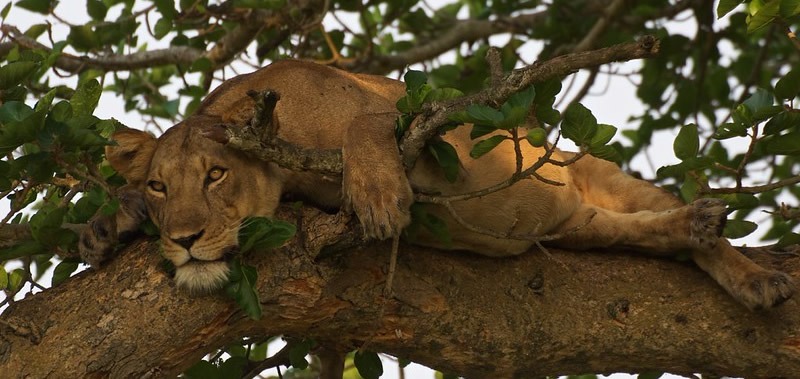
The tree-climbing behavior of Ishasha’s lions represents a behavioral adaptation rather than an evolutionary development unique to this population. Unlike the related lion populations of Lake Manyara, which also exhibit climbing behavior, Ishasha’s lions engage in this activity with remarkable frequency and comfort. Park rangers and guide naturalists report regularly observing multiple lions—sometimes entire prides—resting simultaneously on tree branches, particularly during the heat of midday.
Researchers and naturalists have proposed several complementary theories explaining this unusual behavior. The most widely accepted explanation attributes climbing to thermoregulation: the open savannah plains of Ishasha experience intense daytime heat, and tree branches provide elevated positions offering superior air circulation and shade compared to ground level. During peak afternoon temperatures, when ambient heat makes ground resting uncomfortable, lions ascend into the branching systems where cooler microclimate conditions facilitate rest and digestion.
A second prominent theory emphasizes predator avoidance and territorial surveillance. Elevated positions provide panoramic vantage points facilitating observation of vast terrain sections. Lions gain strategic advantage in detecting potential prey across expansive grasslands and simultaneously monitoring territorial boundaries. The elevated position represents both a physical and psychological position of dominance within their territory.
A third contributing factor involves insect avoidance. During Uganda’s rainy seasons, ground-level habitats experience elevated insect populations, particularly tsetse flies and mosquitoes—vectors of disease and parasites that can compromise feline health. Tree branches elevate lions above the densest concentrations of ground-dwelling insects, particularly during vulnerable resting periods when motion-based defense becomes impractical.
Behavioral inheritance and learned adaptation likely reinforce the behavior across generations. Young lions observing and imitating adult behavior become conditioned to recognize tree-climbing as normal and advantageous, transmitting cultural knowledge across pride generations. This transgenerational learning creates behavioral traditions unique to specific populations while remaining absent in geographically separated groups.
The Trees and Habitat Characteristics
The preferred trees for lion climbing include sycamore fig trees and acacia species, both abundant throughout the Ishasha plains. These species possess structural characteristics ideal for large predator accommodation: wide, sturdy branches capable of supporting adult lion weight, distributed horizontally rather than vertically, and positioned at accessible heights between eight and fifteen feet above ground level. The branches provide sufficient spacing to accommodate multiple lions simultaneously, with park guides documenting observations of sixteen individual lions resting together on interconnected branches of particularly large specimens.
The fig trees appear particularly favored, offering superior shade density and branch configuration compared to acacias. These mature specimens have developed over decades, creating robust architectures capable of supporting predator weight without sustained damage. However, environmental degradation and human encroachment threaten these essential resources, with land clearance and agricultural expansion progressively reducing habitat suitable for both lion populations and their prey species.
Best Viewing Opportunities and Seasonal Patterns
The dry season, spanning June through September and December through February, represents the optimal period for tree-climbing lion observation. During these months, reduced rainfall results in drier road conditions facilitating vehicle access to remote viewing areas, while minimized vegetation growth increases visibility across the plains. Most significantly, elevated temperatures during dry seasons increase lion motivation to ascend into trees for thermoregulation and comfort, dramatically increasing observation probability.
Afternoon hours between 2:00 PM and 5:00 PM represent the peak viewing window, coinciding with peak midday heat and lion resting periods. Early morning game drives (commencing at 6:00 AM) occasionally yield sightings, as lions return to elevated resting positions following nocturnal hunting activities. However, dedicated afternoon drives specifically targeting lion observation areas produce substantially higher success rates.
Experienced guides possess detailed knowledge of established lion resting areas and seasonal movement patterns. Consistent observation across multiple safari seasons has revealed that lions utilize specific tree clusters repeatedly, returning to favored branches during predictable patterns. Park authorities collaborate with wildlife monitoring organizations to track pride movements using GPS collars, enabling guides to predict probability of lion encounters with reasonable accuracy.
A full day allocated specifically to Ishasha game drives significantly enhances observation probability compared to brief transit drives. While wildlife encounters remain inherently unpredictable, extended time in prime habitat provides multiple opportunities to locate and observe tree-dwelling lions during optimal viewing conditions.
Broader Wildlife and Ecosystem Dynamics
While tree-climbing lions constitute the primary attraction, the Ishasha sector supports diverse fauna reflecting the region’s position at the intersection of Congolian forest and East African savannah ecosystems. Large elephant herds frequent the sector, with visitors regularly encountering breeding groups and solitary bulls. Buffalo herds congregate near available water sources, while Uganda kob populations maintain the highest concentrations found anywhere within the national park system.
Topi, bushbuck, warthogs, and waterbuck species diversify predator prey options. Hippopotamus pods inhabit the Ishasha River, while Nile crocodiles lurk in associated waterways. The mammalian diversity attracts substantial avian populations, with over 600 bird species recorded throughout Queen Elizabeth National Park, with significant concentrations in the Ishasha sector supporting passage migrants, raptors, waterbirds, and forest species.
This ecological complexity illustrates why lions aggregate in the region—the prey abundance and water availability support sustainable predation, while habitat heterogeneity provides optimal environmental conditions. The presence of thick vegetation along the Ishasha River provides refuge and hunting grounds for lions, while open plains facilitate both predator and prey movement.
Integrating Tree-Climbing Lion Viewing into Regional Safari Itineraries
The Gateway Position to Bwindi
The Ishasha sector’s critical geographical position between Queen Elizabeth National Park and Bwindi Impenetrable National Park transforms it into an ideal waypoint for comprehensive regional safari experiences. The approximately two-hour drive from Bwindi to central Queen Elizabeth naturally transits through Ishasha, enabling optimal incorporation into longer itineraries without substantial detours. Standard 4-day combined Bwindi-Queen Elizabeth packages routinely include Ishasha game drives, transforming transit time into prime wildlife viewing opportunities.
This integration creates compelling narrative arcs for safari itineraries: travelers experience mountain gorilla trekking in Bwindi’s misty forests, transition through the transitional Ishasha sector where they encounter Africa’s most unusual lions, and subsequently discover the Kazinga Channel’s massive hippopotamus populations and diverse bird concentrations. The progression from forest primates to savannah predators to aquatic megafauna provides comprehensive ecosystem education while optimizing vehicle time and minimizing logistics complexity.
Extended Regional Circuits: Adding Volcanoes National Park
Travelers undertaking extended 7-14 day itineraries commonly integrate Ishasha visits within broader Rwanda-Uganda safari circuits combining Bwindi Impenetrable National Park, Queen Elizabeth National Park, and Volcanoes National Park in Rwanda. These comprehensive itineraries offer unprecedented opportunities to encounter endangered mountain gorillas in both Ugandan and Rwandan populations, witness tree-climbing lions, trek golden monkeys in Volcanoes, and explore diverse savannah ecosystems.
Typical 10-14 day combined itineraries commence in Kampala or Kigali, proceeding through Queen Elizabeth National Park for initial wildlife acclimation and Ishasha lion viewing. Travelers subsequently traverse to Bwindi for gorilla trekking encounters. The itinerary then crosses the Uganda-Rwanda border at Cyanika, entering Volcanoes National Park for additional gorilla encounters with geographically distinct populations. Golden monkey trekking and visits to Dian Fossey’s tomb provide supplementary primate experiences. Optional extensions include Lake Bunyonyi recreation, cultural village experiences, and Kigali Genocide Memorial visits, creating holistic East African experiences transcending wildlife observation.
Optimal Itinerary Structures
The 4-Day Essential Circuit: This compact itinerary accommodates travelers with limited time, combining Queen Elizabeth game drives (including Ishasha lion viewing) with Bwindi gorilla trekking. Day one encompasses transfer and initial game drive, day two includes Ishasha transit with dedicated lion viewing, day three features gorilla trekking, and day four involves return travel and departure.
The 7-Day Comprehensive Experience: This format allocates two full days to Queen Elizabeth (including dedicated Ishasha game drives), two days to Bwindi gorilla trekking and community experiences, and enables inclusion of alternative activities such as Kazinga Channel boat cruises or Lake Bunyonyi recreation. This duration permits unhurried wildlife observation and cultural engagement without excessive transit fatigue.
The 10-14 Day Grand Tour: Extended itineraries incorporating both Bwindi and Volcanoes represent the ultimate East African primate and wildlife experience. These journeys allocate 2-3 days to Queen Elizabeth with comprehensive Ishasha exploration, 2 days to Bwindi gorilla trekking, 2-3 days to Volcanoes National Park gorilla and golden monkey encounters, and optional supplementary experiences including Nyungwe Forest, Lake Kivu recreation, or Kigali cultural immersion.
Best Gorilla Safari Packages
Mountain gorillas exist in only two isolated populations, found nowhere else on the planet. Here are the best Gorilla trekking safari packages to Volcanoes National Park in Rwanda, Bwindi and Mgahinga National Parks in Uganda.
- 1 Day Rwanda Gorilla trekking
- 1 Day Bwindi Gorilla safari
- 2 Days Volcanoes Gorilla Tour
- 3 Days Rwanda Gorilla Adventure
- 4 Days Double Gorilla Trekking
- 5 Days Safari to Bwindi NP
- 7 Days Rwanda & Uganda
- 8 Days best of Rwanda Safari

Combined Safari Packages
These gorilla trekking safari packages take travellers to Volcanoes National Park in Rwanda, as well as Bwindi Impenetrable and Mgahinga Gorilla National Parks in Uganda. Each itinerary can be paired with wildlife viewing and chimpanzee tracking experiences for a more comprehensive safari.
- 1 Day Rwanda Gorilla trekking
- 1 Day Bwindi Gorilla Safari
- 2 Days Volcanoes Gorilla Tour
- 3-Day Rwanda Gorilla Adventure
- 4 Days Double Gorilla Trekking
- 5-Day Safari to Bwindi NP
- 7 Days Rwanda & Uganda
- 8 Days Best of Rwanda Safari
Gorilla permits (in Uganda, Rwanda, or the DRC) are fixed-cost, government-set fees that everyone pays regardless of budget. Since that cost is constant, the accommodation category chosen becomes the main lever that pushes a package from “budget” to “midrange” to “luxury.” We offer apealing quotes because we havs special deals on accommodations leaving your package under your budget.
- Budget/community lodges — simple rooms, shared facilities, basic meals
- Midrange lodges — en-suite rooms, decent service, set menus
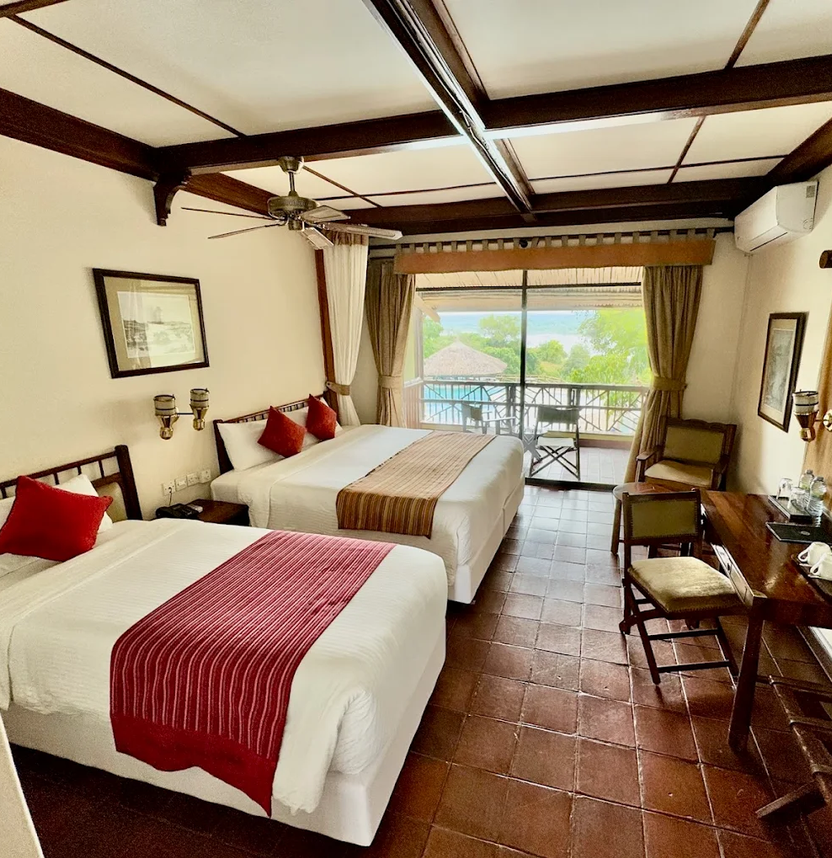
- Luxury lodges/camps — private cottages, personalized service, premium dining, sometimes even private guides or viewing decks
Adventure Gorilla Tours
From exclusive one-day gorilla trekking excursions in Rwanda and Uganda to comprehensive safari experiences across East Africa’s premier wildlife destinations, we specialize in crafting unforgettable African journeys tailored to your needs.
Every itinerary we design reflects careful attention to our clients’ unique preferences and travel goals. Reach out to our team today, and let us create a bespoke travel experience designed exclusively around what matters most to you.
Featured safari destinations
22 Days best of Uganda Safari
This gives you a full highlight of Uganda widlife Safari vacation.
Strategic Planning Considerations
Seasonal Timing
Coordinating travel timing with dry seasons (June-September and December-February) dramatically enhances wildlife viewing probability and minimizes road access challenges. These periods coincide with peak lion tree-climbing activity, elevated lion visibility, and optimal Kazinga Channel boat cruise conditions. Rainy season travel (March-May and October-November) remains viable for budget-conscious travelers but involves compromised road conditions, dense vegetation reducing visibility, and diminished lion climbing motivation.
Permit Acquisition and Advanced Planning
Mountain gorilla trekking permits (approximately $750 USD per person in Uganda, $1500 in Rwanda) require advance booking through national park authorities or established tour operators. These permits represent highly sought resources, with availability often constrained during peak seasons. Early booking (minimum 2-3 months in advance for popular travel periods) ensures access to preferred trekking dates. Queen Elizabeth entry permits cost substantially less (approximately $40 USD per adult), enabling more flexible scheduling.
Accommodation Selection
Ishasha sector accommodations range from luxury wilderness camps (Ishasha Wilderness Camp, Ishasha Jungle Lodge) to budget-friendly options (Topi Lodge, Ntungwe River Camp). Proximity to prime lion viewing areas constitutes the primary selection criterion. Staying overnight in Ishasha enables early morning and late afternoon game drives—optimal viewing windows—while avoiding time-consuming transit from distant Mweya headquarters.
Professional Guide Selection
Experienced guides specializing in Ishasha wildlife constitute invaluable resources, particularly for first-time tree-climbing lion observers. Guides possessing multi-year Ishasha experience possess detailed territorial knowledge, established relationships with lion families, and enhanced observational skills. Their expertise dramatically improves observation probability and enriches accompanying naturalist narratives explaining lion behavior and ecological relationships.