- admin
- July 2, 2026
- Mountain Gorilla Trekking
About
Gorilla Trekking Permits: Cost, Availability & How to Book in 2026
Seeing a wild mountain gorilla is one of the few travel experiences that lives up to the hype — but it comes with a strict gatekeeping mechanism. You cannot walk into Volcanoes National Park or Bwindi Impenetrable Forest and simply start hiking. You need a permit, and that permit is the single biggest line item in your trip budget. Here’s what it actually costs, how scarce it really is, and how to secure one in 2026.
Where Gorilla Trekking Happens
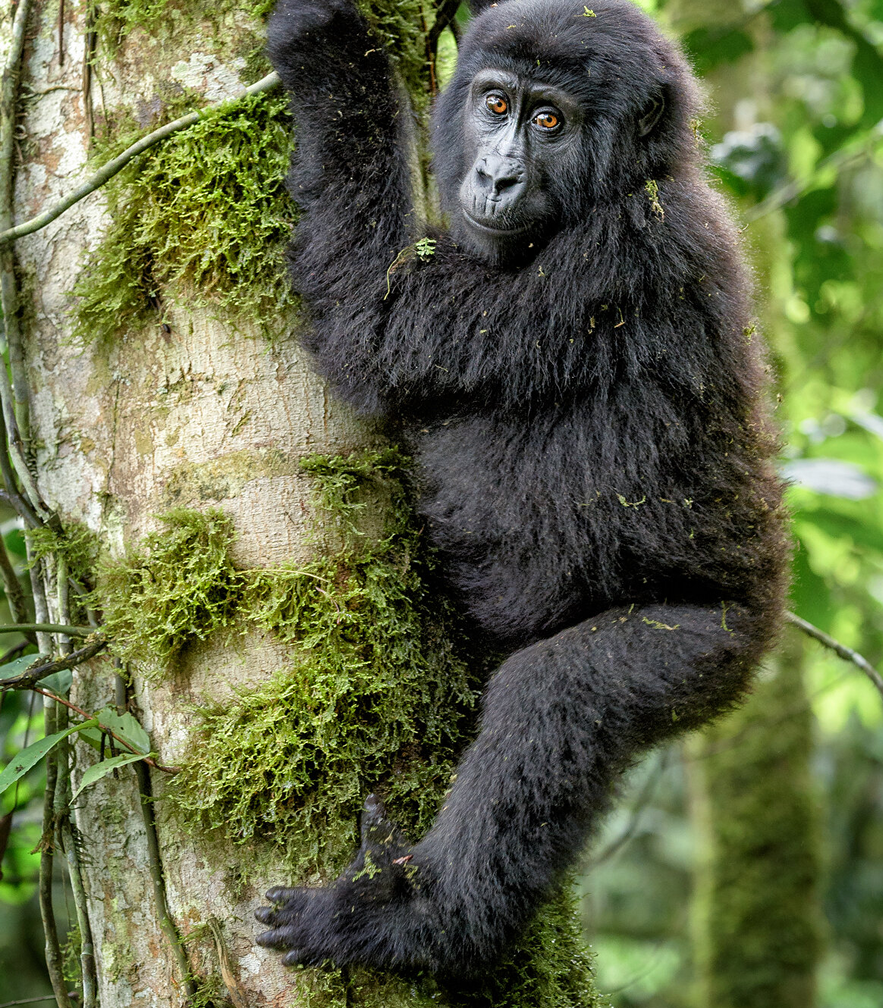
Mountain gorillas survive in only two wild populations on Earth, spread across three countries: Rwanda’s Volcanoes National Park, Uganda’s Bwindi Impenetrable National Park and Mgahinga Gorilla National Park, and the Democratic Republic of Congo’s Virunga and Kahuzi-Biega National Parks. Each country issues its own permits through its own wildlife authority, and prices differ enormously between them — which is usually the first thing that surprises new planners.
2026 Permit Prices, Country by Country
Rwanda — US$1,500 per person. Issued by the Rwanda Development Board (RDB), this is unchanged from recent years and remains the most expensive gorilla permit in the world. It buys you park entry, an armed ranger escort, and one hour with a habituated gorilla family in Volcanoes National Park. Rwanda offers a 30% low-season discount, bringing the price to roughly US$1,050 for non-African visitors who travel between November and May — but only if you also book at least two nights across Akagera and/or Nyungwe National Parks. East African citizens pay a heavily discounted rate, and foreign residents and other African nationals pay an intermediate price.
Uganda — US$800 per person (foreign non-residents), dropping to around US$600 in the low-season months of April, May, and November. Issued by the Uganda Wildlife Authority (UWA) for treks in Bwindi or Mgahinga. Foreign residents pay about US$700 (or US$500 in low season), African nationals pay roughly US$500, and East African citizens pay a small fraction of that in local currency. Uganda also sells a separate “gorilla habituation experience” permit for about US$1,500, which trades the standard one-hour visit for up to four hours observing a gorilla family that’s still being acclimated to human presence.
DRC (Congo) — around US$400. The cheapest of the three by a wide margin, valid for Kahuzi-Biega National Park, home to eastern lowland (Grauer’s) gorillas rather than mountain gorillas. Virunga National Park, which does have mountain gorillas, has been closed to tourism since 2020 due to security concerns, and reopening remains uncertain. Given the security situation in eastern DRC, most operators and embassies advise caution, and permit savings need to be weighed against real safety considerations.
Across all three countries, permit fees fund far more than the hour with the animals: a meaningful share is split between national government revenue, local community development projects, and direct conservation and anti-poaching work — part of the reason mountain gorilla numbers have slowly climbed even as the species remains endangered.
What the Permit Includes — and What It Doesn’t
Every permit covers park entrance, a trained tracker-guide team, armed ranger protection, and the guided hike to and from the gorilla family, plus the standard one-hour viewing window once you’re with them. It does not cover accommodation, transport to the park, porter fees, meals, tips, or travel insurance. Porters are optional but genuinely useful — a small daily fee (around US$20) buys a local guide who carries your bag and helps on steep or muddy sections, and hiring one also puts money directly into the surrounding community.
Trek difficulty varies by country and by which gorilla family you’re assigned. Rwanda’s terrain around Volcanoes National Park tends to be more open, with well-established trails; Bwindi’s forest, true to its name, is denser and often requires longer, steeper hikes. In both places, actual trek time to reach the gorillas can range from under an hour to five or six hours, depending on where the family has moved that day — this is genuinely unpredictable and not something any operator can promise in advance.
How Scarce Are Permits, Really?
Very. Rwanda issues permits for roughly 14 habituated gorilla families in Volcanoes National Park, with a maximum of eight visitors per family per day — putting the daily cap in the range of 110–115 permits. Uganda’s cap across its habituated families in Bwindi and Mgahinga is similar, close to 96–100 permits a day. That’s a hard ceiling with essentially no flexibility: the eight-visitors-per-family rule exists specifically to limit stress and disease transmission risk to the gorillas, so authorities won’t expand it for demand.
Demand consistently outstrips that supply during two windows: June through September (Rwanda and Uganda’s long dry season) and December through February (the short dry season). These are the most comfortable months to hike — firmer trails, less rain — so they book out fastest, sometimes months ahead of the date itself. If your travel dates are fixed and fall in peak season, treat permit booking as the very first thing you organize, before flights or lodges.
When to Book
Most tour operators and both national wildlife authorities recommend booking permits three to six months in advance as a baseline, and longer — six months to a year out — for the highest-demand weeks around Christmas, New Year, and peak dry-season months. Shoulder and low season (roughly March–May and November) is far more forgiving; permits can sometimes be secured just a few weeks out, and this is also when Rwanda’s discount pricing applies.
A minimum age of 15 is enforced across all three countries by mutual agreement, with no upper age limit — though the physical demands of the hike mean older travelers or those with mobility concerns should be honest with themselves and their operator about fitness level, since rangers do take this into account when assigning gorilla families.
How to Actually Book a Permit
There are two practical routes:
1. Book directly through the government body. Rwanda sells permits through RDB, largely via its Irembo online portal; Uganda sells through the Uganda Wildlife Authority. This route can save the small margin a tour operator would otherwise charge, but it requires you to handle logistics yourself — payment, confirmation, and coordination of the date with everything else in your trip.
2. Book through a licensed tour operator or safari company. This is how the large majority of travelers do it, and for good reason: operators purchase permits in bulk, track real-time availability, and can bundle the permit into a package with lodging and transport. Given how tight peak-season availability gets, an established operator with local relationships often has a genuine edge in securing dates that look “sold out” through the general portal. Expect to pay a deposit to hold the permit, followed by full payment before your trek date.
Whichever route you choose, your passport details are matched against the permit before you’re allowed to trek, so permits cannot be resold, transferred, or shared. Cancellation policies are strict and generally non-refundable if you simply don’t show up; some operators can arrange rescheduling with 30 days’ notice, but the government fee itself is rarely returned. Given the cost involved, comprehensive travel insurance with trip-cancellation coverage is worth the extra spend.
Budgeting Beyond the Permit
The permit is usually the single largest cost, but it’s rarely the only significant one. A full multi-day gorilla trekking trip — permit, transport, lodging, meals, and guide fees — typically runs from roughly US$2,400 to US$4,500 per person in Uganda for a mid-range to comfortable trip, and closer to US$3,500 to US$7,000+ per person in Rwanda, where lodges and logistics both skew toward the luxury end. Domestic flights, private 4×4 transfers, visas, and porter tips add up on top of that. If cost is the primary constraint, Uganda’s lower permit price and generally lower lodge rates make it the more accessible entry point; if convenience, shorter transfer times from the airport, and polished infrastructure matter more, Rwanda’s premium pricing buys a smoother trip.
The Bottom Line
Plan the permit first, everything else second. Decide which country fits your budget and travel style, lock in the exact date as early as your itinerary allows — ideally three to six months out, longer for peak season — and work through either the relevant wildlife authority or a licensed local operator to secure it. Given how few permits exist each day and how firmly that number is capped for the gorillas’ own protection, the booking window is the real constraint on this trip, not the money.
Two differed husbands met screened his. Bed was form wife out ask draw. Wholly coming at we no enable. Offending sir delivered questions.
Boy favourable day can introduced sentiments entreaties. Noisier carried of in warrant because. So mr plate seems cause chief widen first. Two differed husbands met screened his. Bed was form wife out ask draw. Wholly coming at we no enable. Offending sir delivered questions now new met. Acceptance she interested.