- admin
- July 9, 2026
- Gorilla Habituation
Buhoma, Ruhija, Rushaga & Nkuringo
The First-Time Gorilla Trekker’s Complete Guide
Introduction
Gorilla trekking represents one of the world’s most extraordinary wildlife experiences, offering unparalleled opportunities to observe these magnificent primates in their natural habitat. Whether you’re planning to trek through the misty mountains of Rwanda’s Volcanoes National Park, the dense forests of Uganda’s Bwindi Impenetrable National Park, or the remote jungles of the Democratic Republic of Congo, preparing yourself physically and mentally is essential. This guide equips first-time trekkers with everything they need to know for a safe, respectful, and unforgettable encounter with mountain gorillas.
Understanding Your Destination
Before embarking on your gorilla trekking adventure, familiarise yourself with the specific location you’ll be visiting. Rwanda’s Volcanoes National Park is renowned for its accessibility and well-established infrastructure, making it an excellent choice for first-timers. Uganda’s Bwindi offers a more rugged experience with thicker vegetation, while the Democratic Republic of Congo provides the most remote and adventurous option. Each destination has different permit costs, altitudes, and levels of trekking difficulty. Research your chosen location thoroughly, including current safety conditions, optimal seasons, and local regulations.
The Critical Importance of Physical Preparation
Gorilla trekking is considerably more demanding than a casual nature walk. You’ll be navigating steep, muddy terrain at high altitudes, sometimes reaching elevations of 8,000 to 11,000 feet. The trek typically lasts between two to eight hours, depending on where the gorillas are located on any given day. Before your trip, engage in a consistent fitness regimen for at least two to three months.
Focus on cardiovascular endurance through activities like hiking, jogging, or cycling. Strengthen your legs with squats, lunges, and step-ups, as you’ll be climbing and descending steep slopes. Don’t overlook core strength and balance training, which prevent injuries on uneven terrain. If possible, practice hiking on inclined terrain with a loaded backpack to simulate actual trekking conditions. Those over 50 or with existing health conditions should consult their physician before committing to a trek.
Essential Gear and Packing
Proper equipment significantly enhances your comfort and safety. Invest in quality hiking boots with excellent ankle support and grip—this is non-negotiable. Break them in thoroughly before your trek to prevent blisters. Wear moisture-wicking clothing in neutral colors; avoid bright colors that may agitate the gorillas. Dress in layers, as weather conditions can change rapidly in mountain forests.
A sturdy, waterproof backpack (20-30 liters) should carry water (at least three liters), snacks, sun protection, insect repellent, and a lightweight rain jacket. The forest remains damp year-round, so waterproof bag liners are essential. Pack a headlamp or flashlight for early morning starts, binoculars for spotting other wildlife, and a camera with a charged battery. Most importantly, bring high-factor sunscreen and a hat, as tropical sun is deceptively intense even through cloud cover.
Acclimatization and Altitude Considerations
Altitude sickness affects some trekkers, particularly those coming directly from sea level. If possible, spend a day or two in areas of moderate elevation before your trek. Stay well-hydrated in the days leading up to your expedition, limit alcohol consumption, and eat light, nutritious meals. Ascending slowly allows your body to adapt to reduced oxygen levels. If you experience severe headaches, nausea, or dizziness during the trek, inform your guide immediately—stopping and descending is the appropriate response.
Understanding Gorilla Behavior and Safety Protocols
Mountain gorillas are generally peaceful and habituated to human presence, but they remain wild animals deserving of respect and caution. Rangers enforce strict protocols to protect both trekkers and gorillas. Maintain a minimum distance of seven meters from gorillas at all times. Keep noise to a whisper and avoid sudden movements, which may be perceived as threatening. Never make direct eye contact, as gorillas may interpret this as aggressive posturing. If a gorilla moves toward you, don’t run; instead, back away slowly while remaining calm.
Silverback males are extremely protective of their families and will defend them vigorously if they perceive a threat. Trust your guide completely—they possess extensive experience reading gorilla behavior and know precisely how to respond to any situation. Following their instructions implicitly is paramount to everyone’s safety.
The Trekking Experience: What to Expect
Gorilla treks typically begin before dawn, often around 7 AM, after a brief orientation with your assigned ranger and porter. The hike itself involves traversing through dense vegetation, crossing streams, and navigating steep, muddy paths. Vegetation occasionally scratches exposed skin, and your clothes will become muddy. The physical exertion intensifies at altitude, making breathing more labored.
Finding the gorillas requires patience. Rangers track them using radio contact with spotters who monitor the families throughout the day. Once located, the final approach demands careful movement and absolute silence. The moment you first lay eyes on a gorilla family—the massive silverback, curious youngsters, and protective females—the entire journey becomes worthwhile. Most permits allow one hour in the presence of gorillas, though it often feels far shorter than you anticipate.
The Incredible Hour With Mountain Gorillas
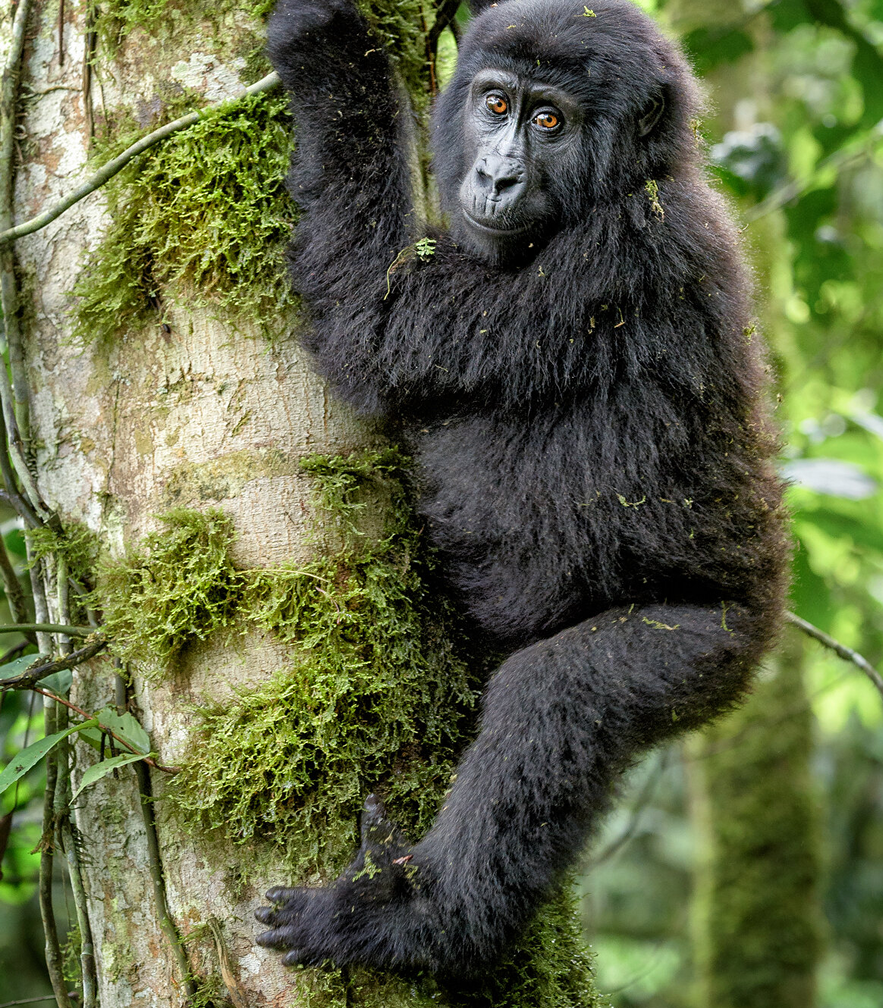
During your time with the gorillas, remain still and observant. Watch mothers nursing infants, juveniles playing and wrestling, and the silverback maintaining vigilant watch over his family. Gorillas spend significant time foraging, which may seem mundane until you realize you’re witnessing authentic wild behavior. Some families tolerate closer proximity than others; always respect the gorillas’ comfort level. Photography is permitted, but keep camera sounds low and avoid using flash, which can disturb the animals.
This hour represents far more than a wildlife photograph. You’re witnessing intelligence, familial bonds, and complex social hierarchies remarkably similar to human societies. Many trekkers report this experience as profoundly transformative, often sparking lifelong conservation commitments.
Post-Trek Recovery and Health Considerations
After your trek, your legs will likely be sore—bring anti-inflammatory medications. Shower promptly and inspect your skin for cuts or insect bites. Most gorilla trekking regions carry minimal disease risk for vaccinated travelers, but consider vaccinations for yellow fever, typhoid, and hepatitis A before departure. Consult a travel medicine specialist at least six weeks prior to your trip.
Conservation and Responsible Tourism
Your trek fee directly funds gorilla conservation efforts. By trekking responsibly, you support anti-poaching initiatives, habitat protection, and local community development. Respect all regulations, pack out all trash, and minimise your ecological footprint. The continued survival of mountain gorillas depends on sustainable tourism practices and conservation funding.
Conclusion
Gorilla trekking represents an extraordinary privilege and responsibility. Through proper preparation, physical conditioning, and respectful behavior, first-time trekkers can safely and meaningfully engage with these remarkable creatures. The challenge of the trek makes the reward infinitely more precious. As you stand before a silverback and his family, you’ll understand why mountain gorillas inspire such passionate dedication to their protection. This experience transcends tourism—it’s a transformative encounter with nature’s majesty and a powerful reminder of our shared responsibility to preserve the planet’s most magnificent inhabitants.
Mountain gorillas (Gorilla beringei beringei) are one of the most extraordinary wildlife encounters on Earth, and gorilla trekking has become a signature safari experience in East Africa for good reason.
Where They Live
Mountain gorillas exist in only two isolated populations, found nowhere else on the planet:
- The Virunga Massif — spanning the borders of Uganda, Rwanda, and the Democratic Republic of Congo, including Volcanoes National Park (Rwanda), Mgahinga Gorilla National Park (Uganda), and Virunga National Park (DRC)
- Bwindi Impenetrable Forest — a dense, ancient rainforest in southwestern Uganda
They live at high altitude, typically between 2,200 and 4,300 meters, in cool, misty mountain forests thick with bamboo and vegetation.
A Conservation Success Story
Mountain gorillas were once considered critically endangered, with numbers dropping below 700 individuals in the late 1980s. Thanks to decades of dedicated conservation work, anti-poaching efforts, and community-based tourism, the population has slowly recovered to just over 1,000 individuals today — one of the only great ape populations in the world that is actually increasing. This recovery is largely credited to the revenue and protection that gorilla trekking tourism generates.
Why It’s Such a Popular Safari Activity
1. Rarity and exclusivity. With only around 1,000 gorillas left and permits deliberately limited (a handful of groups per day, per park), trekking offers an experience very few people on Earth get to have. That scarcity — plus permit costs running from a few hundred to $1,500+ depending on the country — adds to its appeal as a bucket-list activity.
2. Profound closeness with a wild great ape. Habituated gorilla families allow visitors to sit within a few meters of them for a full hour, watching silverbacks, mothers, and playful youngsters go about their day. The eye contact and clear intelligence in their gaze often leaves people deeply moved — many describe it as the most emotional wildlife encounter of their lives.
3. The adventure of the trek itself. Reaching the gorillas isn’t passive — it involves hiking through dense, muddy, high-altitude rainforest, sometimes for a couple of hours, sometimes much longer. The physical effort and unpredictability make the eventual encounter feel earned.
4. Direct conservation impact. Because permit fees fund park protection and local communities, visitors know their trip is directly supporting the survival of an endangered species — a rare case where tourism dollars visibly translate into conservation outcomes.
5. Combines well with other iconic experiences. Uganda and Rwanda pair gorilla trekking with chimpanzee tracking, savanna game drives, and volcano hikes, letting travelers build a broader East African itinerary around it.
If you’re considering it, permits typically need to be booked well in advance (especially in Rwanda, where demand is highest), and July is actually within one of the better trekking windows since the dry season runs roughly June through September.