Nkuringo Section - Bwindi Impenetrable Forest.
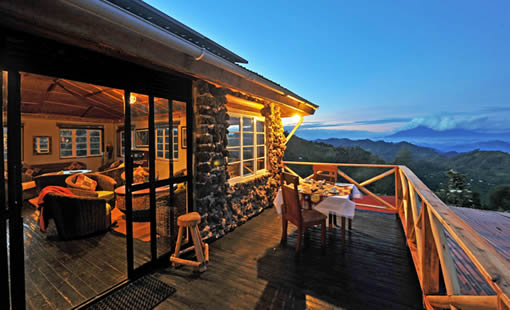
Nkuringo sits in the far southwest of Uganda, in Kisoro district, along the southern boundary of Bwindi Impenetrable National Park — the UNESCO World Heritage rainforest that spans roughly 321 square kilometers between 1,160 and 2,607 metres in elevation. Rather than nestling inside the forest, Nkuringo sits on the rim of an old volcanic crater, rising to around 2,200 metres, with views stretching across the Virunga volcanoes into the Democratic Republic of Congo. It’s a dramatic, almost theatrical setting: green hills folding into forest on one side, and on a clear day, the cones of the Virungas rising on the horizon
Mountain Gorilla Families.
Nkuringo Sector
- Nkuringo – one of the oldest and largest groups
- Christmas
- Bushaho
- Posho
Of Bwindi’s four trekking sectors — Buhoma, Ruhija, Rushaga and Nkuringo — Nkuringo is the least visited and the most physically demanding. The terrain here doesn’t offer gentle switchbacks; treks often mean a steep descent into the valley to find the gorillas and, more painfully, a steep climb back out at the end of the day when legs are tired and the sun is high. One tour operator summed it up plainly: the landscape “does not ease you in. It announces itself.” A guide interviewed by Horizon Guides put the contrast with Bwindi’s other sectors succinctly, recommending Buhoma for easier treks and reserving Nkuringo for travelers wanting a longer, harder trek.
Classic Gorilla Trek (3 days)
10 Uganda Classic Safari
Double Gorilla Trek 6 Days
3 Days Bwindi Gorilla Trek
3-Day Gorilla Habituation Experience in Bwindi
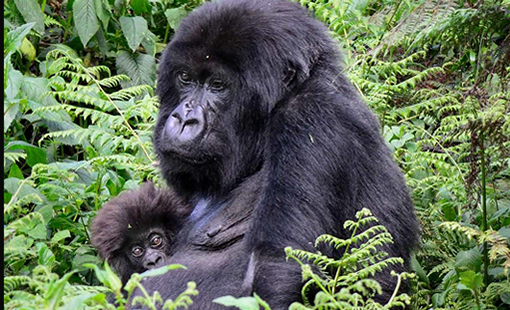
That difficulty is also Nkuringo’s appeal. Because it’s harder to reach and harder to walk, far fewer tourists pass through, so the sector has a quieter, more remote feel than the busier Buhoma or Rushaga trailheads. The forest itself is classic Bwindi: dense, tangled, vine-choked, alive with birdsong, and home to some of the last mountain gorillas on Earth. The habituation of the original Nkuringo gorilla group was completed in 2004, making it one of the sector’s founding families, and additional habituated groups have been added over the years as Uganda Wildlife Authority has expanded trekking access across Bwindi’s roughly two dozen habituated families parkwide.
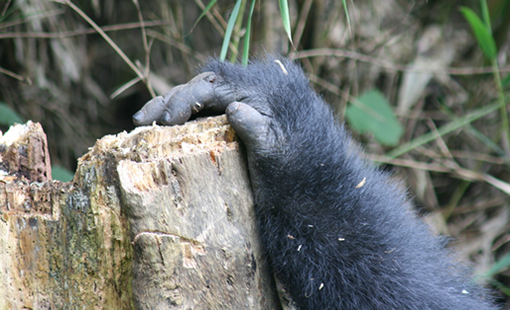
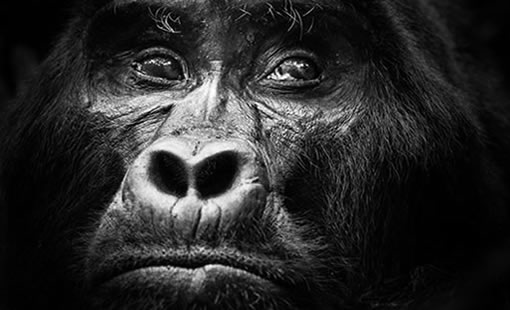
A day of gorilla trekking follows a fairly standard rhythm across all sectors. Visitors gather at the sector headquarters for a briefing around 7:30 in the morning, where rangers explain the rules and assign groups to specific gorilla families — a decision made on the morning of the trek itself, based on trekker fitness, family location, and other factors, rather than something visitors choose in advance when buying a permit. The trek itself can last anywhere from one to eight hours through steep, muddy forest, and only eight visitors are allowed per gorilla family per day, which keeps each encounter intimate and limits pressure on the animals. Once the group is found, visitors get a single hour in the gorillas’ presence — watching a silverback move through the undergrowth at close range is the payoff for the morning’s exertion.
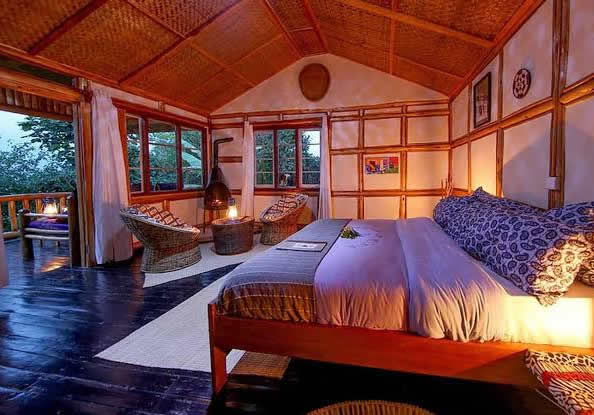
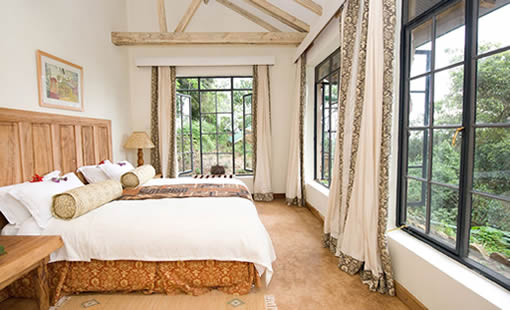
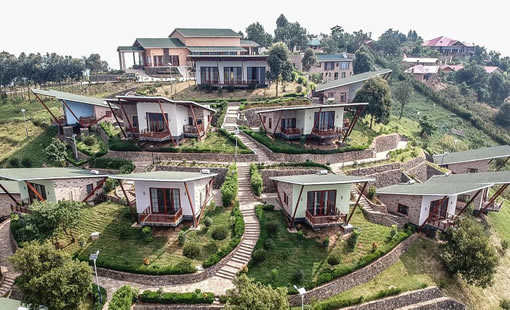
Nkuringo’s remoteness shapes its infrastructure too. The town of Nkuringo, perched on the crater rim, has grown up around the trekking industry, with a handful of lodges taking advantage of the ridge-top views over the forest and toward Congo. The area is described as sitting on the edge of the Congo basin, with views toward the nearby Congolese town of Bunagana as well as Kisoro. Compared to Buhoma and Rushaga, which have more lodges and better road access, Nkuringo’s accommodation options are fewer and its access roads rougher, which is part of why it remains the quietest of the four sectors.
Gorilla trekking permits, which apply across all Bwindi sectors, cost around $800 per person for foreign non-residents as of 2026 and cover one hour with a habituated family. Many visitors pair a trek in Nkuringo with time in another sector, or combine it with cultural encounters — Batwa community visits and village walks are common add-ons here, reflecting the sector’s proximity to communities that once lived within the forest itself.
In short, Nkuringo is Bwindi at its rawest: the most physically demanding sector, the least crowded, and arguably the most scenic, rewarding travelers willing to trade convenience for solitude, dramatic crater-rim views, and a gorilla trekking experience that feels genuinely wild.
Gorilla Trekking Essentials (Days 7–9, Nkuringo)
- Sturdy, broken-in hiking boots with ankle support — Nkuringo’s terrain is notably steep, and boots matter more here than for other sectors
- Gardening gloves — for grabbing stinging nettles/vines on the trail
- Long, thick socks to tuck trousers into (protection from safari ants and nettles)
- Long-sleeved shirts and long trousers in lightweight, quick-dry fabric (neutral/dark colors, not bright or white)
- A light, waterproof/windproof jacket — mountain weather changes fast, and Bwindi/Nkuringo is genuinely misty rainforest
- A daypack (20–30L) to carry water, snacks, rain gear during the trek
- Gaiters (optional but useful for mud and nettles)
- Walking stick — often provided free at the trekking start, but bring your own if you prefer
- Cash tip money for porters and guides (hire a porter regardless of fitness — it’s worth it)
- Binoculars — genuinely essential for game drives, and gorilla viewing
- Camera with a zoom lens, spare batteries/memory cards, and a dry bag or rain cover for it (forest treks can turn wet fast)
- A dry bag or packing cubes to separate wet/muddy trekking gear from clean clothes
Nkuringo Gorilla Trekking Safaris
Clouds Mountain Gorilla Lodge
Nkuringo Bwindi Gorilla Lodge